 EN
EN

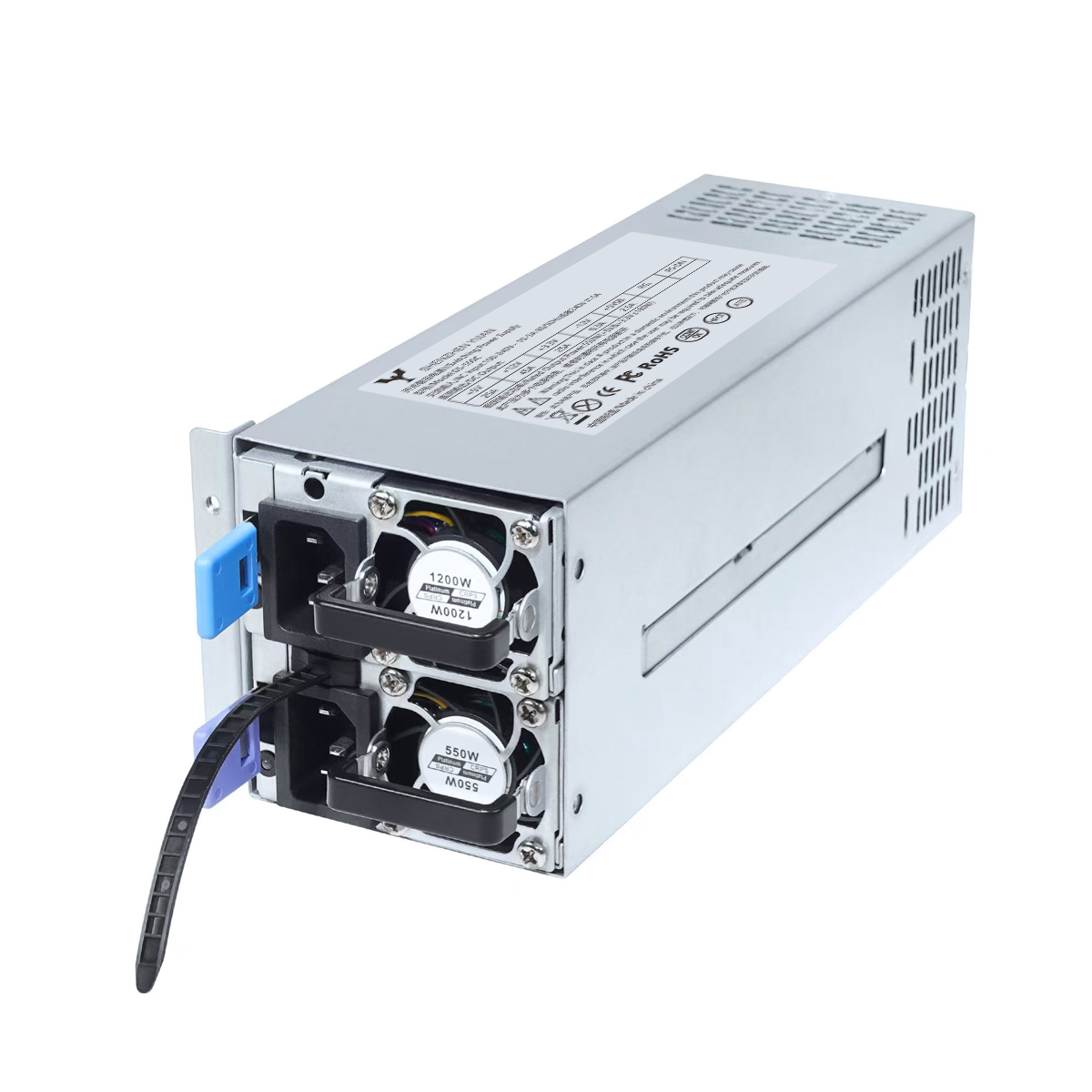
Servers are the backbone of modern businesses, powering everything from data storage and customer management systems to cloud-based applications. For these systems, uninterrupted operation isn’t just a convenience—it’s a make-or-break factor for maintaining productivity, customer trust, and revenue. One component that directly dictates a server’s reliability is its power supply, and among the various options available, redundant power supplies stand out as a non-negotiable for mission-critical setups. But why exactly is a redundant power supply so essential for servers? Let’s explore this question in depth, drawing on insights from high-performance solutions like those offered by Shenzhen Yijian Tech.
What Is a Redundant Power Supply and How Does It Differ from a Standard Power Supply Unit?
To understand the value of a redundant power supply, it’s first important to distinguish it from a standard power supply unit (PSU). A standard PSU—such as basic Office ATX Power Supplies or even some Gaming ATX Power Supplies—relies on a single power module to deliver electricity to the server. If this single module fails (due to overheating, component wear, or electrical issues), the server immediately loses power, leading to downtime, data loss, and potential business disruptions.
A redundant power supply, by contrast, is designed with multiple independent power modules that work in tandem or in a standby configuration. Its core principle is “failover”: if one module malfunctions, another module automatically takes over without any interruption to the server’s operation. This backup layer eliminates the single point of failure that plagues standard power supply units. For example, Shenzhen Yijian Tech’s 80Plus Platinum GS-2400W uses a 1+1 dual redundant design—one module runs actively, while the other stays on standby, ready to kick in the moment the active module encounters a problem. This setup ensures servers remain online even when a power module fails, making redundant power supplies indispensable for systems where downtime is unacceptable.
Key Benefits of Using a Redundant Power Supply for Server Systems
The importance of a redundant power supply extends far beyond just “having a backup.” Here are the core advantages that make it a critical investment for server environments:
- Uninterrupted Operation: The most obvious yet vital benefit is continuous power delivery. For data centers, e-commerce platforms, or healthcare servers (which handle patient records), even a few minutes of downtime can result in thousands of dollars in losses or compromised services. Redundant power supplies like Yijian’s 80Plus Platinum GS-3000W—built for server use—ensure that module failures don’t translate to server outages, keeping business operations on track.
- Enhanced Reliability and Longevity: Redundant systems distribute the server’s power load across multiple modules, reducing strain on individual components. This lowers the risk of overheating and wear, which in turn extends the lifespan of the power supply unit. Unlike a standard PSU that bears the full load alone, a redundant unit like the GS-2600W (another Yijian 80Plus Platinum model) shares the workload, minimizing component stress and ensuring consistent performance over years of use.
- High Efficiency for Cost Savings: Top-tier redundant power supplies often come with industry-leading efficiency certifications, such as 80Plus Platinum. This certification means the unit converts over 90% of AC power to DC power at typical loads, drastically reducing energy waste. For businesses running multiple servers, this efficiency translates to lower electricity bills. Yijian’s 80Plus Platinum lineup—including the GS-3000W and GS-2600W—aligns with sustainability goals while cutting long-term operational costs.
- Wide Voltage Compatibility: Servers are often deployed in global data centers, where voltage inputs can vary (from 100V to 240V). Redundant power supplies like Yijian’s GS-3000W support a full voltage range, eliminating the need for additional adapters and ensuring reliable performance in any region. This flexibility is crucial for businesses with international operations or servers hosted in colocation facilities.
How to Choose the Right Redundant Power Supply Unit for Your Servers
Selecting the correct redundant power supply unit requires matching it to your server’s specific needs and operational environment. Here are the key factors to consider:
-
Match Power Capacity to Server Load: First, calculate your server’s total power requirements, accounting for components like CPUs, GPUs, storage drives, and network cards. Redundant power supplies come in various capacities—Yijian offers options from 2400W (GS-2400W) to 3000W (GS-3000W)—so choose a unit that meets or exceeds your load (with a 10-20% buffer to accommodate future upgrades, such as adding more storage).
-
Prioritize Efficiency Certifications: Opt for units with 80Plus Platinum or Gold certifications. These labels guarantee higher energy efficiency, which reduces heat generation (lowering cooling costs) and electricity expenses. Yijian’s 80Plus Platinum redundant power supplies are ideal for businesses focused on cost-effectiveness and sustainability.
-
Consider Customization (OEM/ODM): If your servers have unique requirements (e.g., specific form factors or connector types), look for a redundant power supply unit that supports OEM or ODM services. Yijian’s GS-2600W, for example, offers OEM/ODM customization, allowing you to tailor the PSU to your server’s exact needs—whether for branding, form factor, or specialized connectors.
-
Check Compatibility and Build Quality: Ensure the redundant power supply fits your server’s form factor (most servers use ATX, but industrial servers may require specialized designs). Additionally, choose a trusted manufacturer like Shenzhen Yijian Tech, which specializes in high-performance power supplies. Reliable brands offer durable components, longer warranties, and responsive technical support—critical for resolving issues quickly if they arise.
Real-World Applications Where Redundant Power Supply Units Shine
Redundant power supplies aren’t just for large data centers—they’re essential for any server setup where downtime risks significant consequences. Here are common use cases where a redundant power supply unit is a must:
-
Enterprise Servers: Businesses relying on on-premises servers for internal tools (e.g., inventory management, employee databases) or customer-facing services (e.g., CRM platforms) can’t afford interruptions. A redundant power supply ensures these servers stay online, protecting daily operations and customer trust.
-
Cloud and Colocation Data Centers: Cloud providers and colocation facilities host hundreds or thousands of servers for multiple clients. A single power failure here could impact dozens of businesses, making redundant power supplies like Yijian’s GS-3000W a standard requirement to minimize risk.
-
Industrial Servers: Servers in manufacturing, logistics, or oil and gas operations control machinery, track inventory, or monitor equipment. These environments often have harsh conditions (temperature fluctuations, dust), so industrial-grade redundant power supplies (like Yijian’s Industrial Power Supply lineup) are built to withstand stress while maintaining reliability.
-
High-Performance Computing (HPC) Clusters: HPC clusters used for scientific research, AI modeling, or financial simulations run 24/7 and handle heavy workloads. A redundant power supply unit prevents data loss from unexpected power cuts, ensuring long-running computations (which can take days or weeks) aren’t interrupted.
In today’s digital landscape, server downtime is a risk no business can afford. A redundant power supply isn’t just an accessory—it’s a critical investment in your server’s reliability, uptime, and long-term performance. By choosing a high-quality redundant power supply unit—such as the 80Plus Platinum models from Shenzhen Yijian Tech—you protect your data, avoid costly disruptions, and ensure your servers operate at their best. Whether you’re running a small enterprise server or a large data center, the right redundant power supply will keep your systems online when it matters most.