 EN
EN

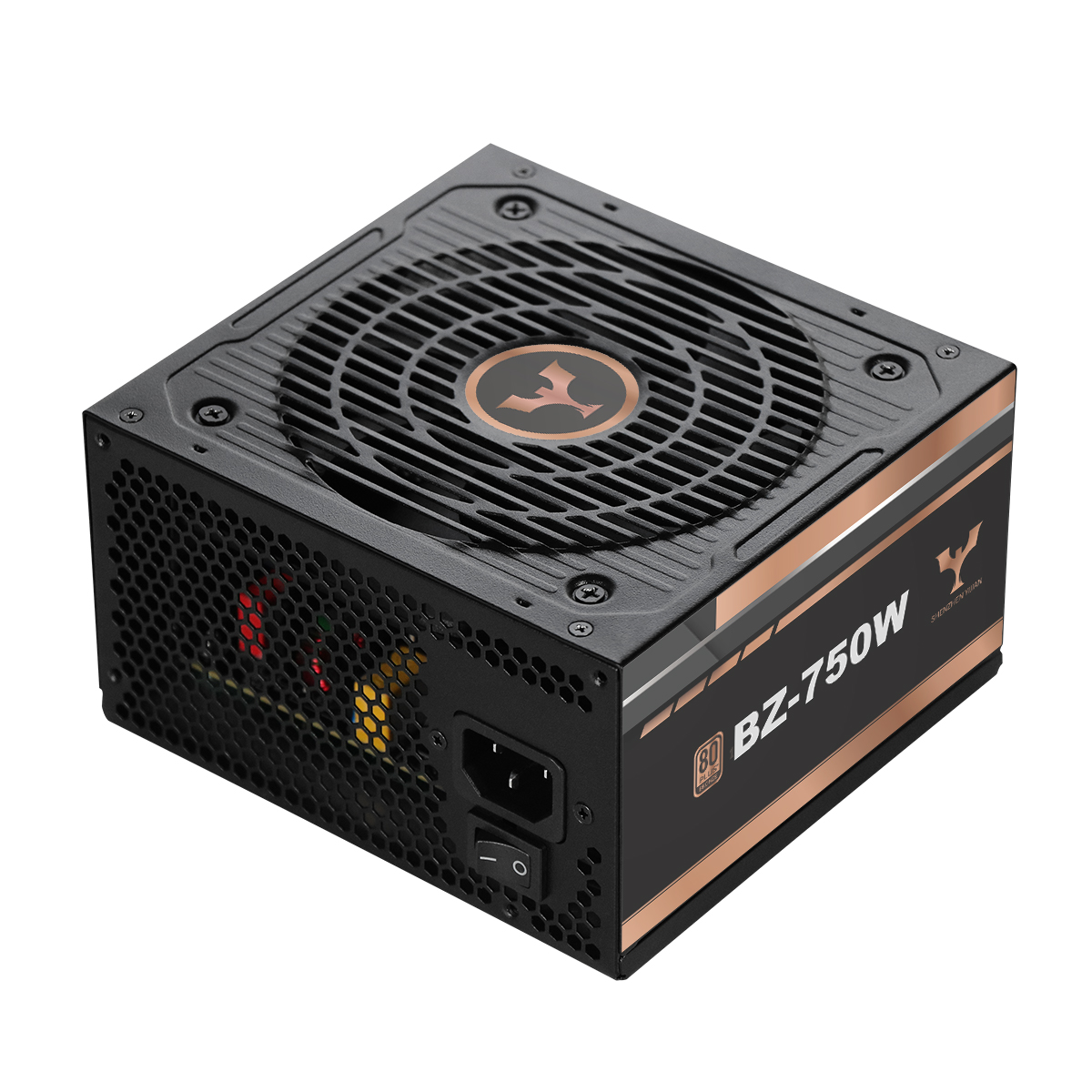
How to Ensure Consistent Quality in High-Volume PSU Orders?
In the electronics industry, high-volume Power Supply Unit (PSU) orders are common for manufacturers of desktops, servers, and industrial equipment. However, maintaining consistent quality across hundreds or thousands of units is a critical challenge—poor quality can lead to product failures, increased return rates, and damage to brand reputation. Whether you’re sourcing PSUs for consumer devices or industrial applications, ensuring each unit meets performance and safety standards requires a structured approach. This blog outlines key steps to achieve reliable quality in large-scale PSU orders, focusing on upstream controls and downstream testing.
Establish Strict Supplier Standards for PC Power Supply Production
The foundation of consistent quality in high-volume PSU orders starts with selecting and managing suppliers that prioritize PC power supply excellence. Not all manufacturers adhere to the same standards, so rigorous supplier vetting is non-negotiable.
First, verify that potential suppliers hold relevant industry certifications for PC power supply production. Certifications like ISO 9001 (quality management systems) and safety certifications such as UL, CE, or TUV ensure the supplier follows established processes to minimize defects. Ask for documentation of past production records, including defect rates for similar high-volume orders—this data reveals their ability to maintain consistency at scale.
Second, require transparency in raw material sourcing for PC power supplies. Critical components like capacitors, transformers, and voltage regulators directly impact PSU performance and lifespan. Ensure suppliers use high-grade materials from reputable vendors and provide traceability records. Conduct periodic audits of their component storage and handling practices to prevent damage or degradation before production.
Finally, collaborate with suppliers to define clear PC power supply specifications. This includes voltage stability ranges, load capacity, efficiency ratings (such as 80 PLUS), and thermal management requirements. Putting these details in writing eliminates ambiguity and gives both parties a benchmark to measure quality against.
Implement Rigorous In-Process Checks and Final Testing for Power Supply Unit
Even with a trusted supplier, high-volume production can introduce variability. To catch issues early, implement in-process checks during Power Supply Unit manufacturing and comprehensive final testing before shipping.
During production, schedule regular inspections at key stages of Power Supply Unit assembly. For example, check that soldered connections are secure and free of defects (a common cause of short circuits), verify that components are installed in the correct positions, and test basic functionality like voltage output at the halfway point of the production run. Using automated testing tools here can speed up the process while reducing human error—tools like oscilloscopes and load testers can quickly identify units that fall outside acceptable parameters.
After assembly, conduct full-performance testing on every Power Supply Unit or a statistically significant sample (for extremely large orders). This testing should cover multiple scenarios to ensure reliability:
- Load testing: Verify the PSU maintains stable voltage and current output under different load levels, from light to maximum capacity.
- Efficiency testing: Confirm the unit meets advertised efficiency standards to avoid energy waste and overheating.
- Safety testing: Check for insulation resistance, ground continuity, and protection against overvoltage, overcurrent, and short circuits—these features prevent damage to connected devices and reduce fire risks.
- Environmental testing: Expose samples to extreme temperatures, humidity, or vibration (if the PSU is for industrial use) to ensure it performs in real-world conditions.
Additionally, keep detailed records of all test results for each Power Supply Unit batch. This documentation allows you to trace any issues back to specific production runs, identify patterns (such as a spike in defects from a particular component lot), and work with the supplier to resolve root causes quickly.
Consistent quality in high-volume PSU orders is not accidental—it requires proactive supplier management, clear specifications, and rigorous testing. By focusing on PC power supply production standards upstream and Power Supply Unit testing downstream, you can minimize defects, reduce costs associated with returns, and deliver reliable products to your customers. As demand for electronics grows, refining these processes will only become more important to stay competitive in the market.