 EN
EN

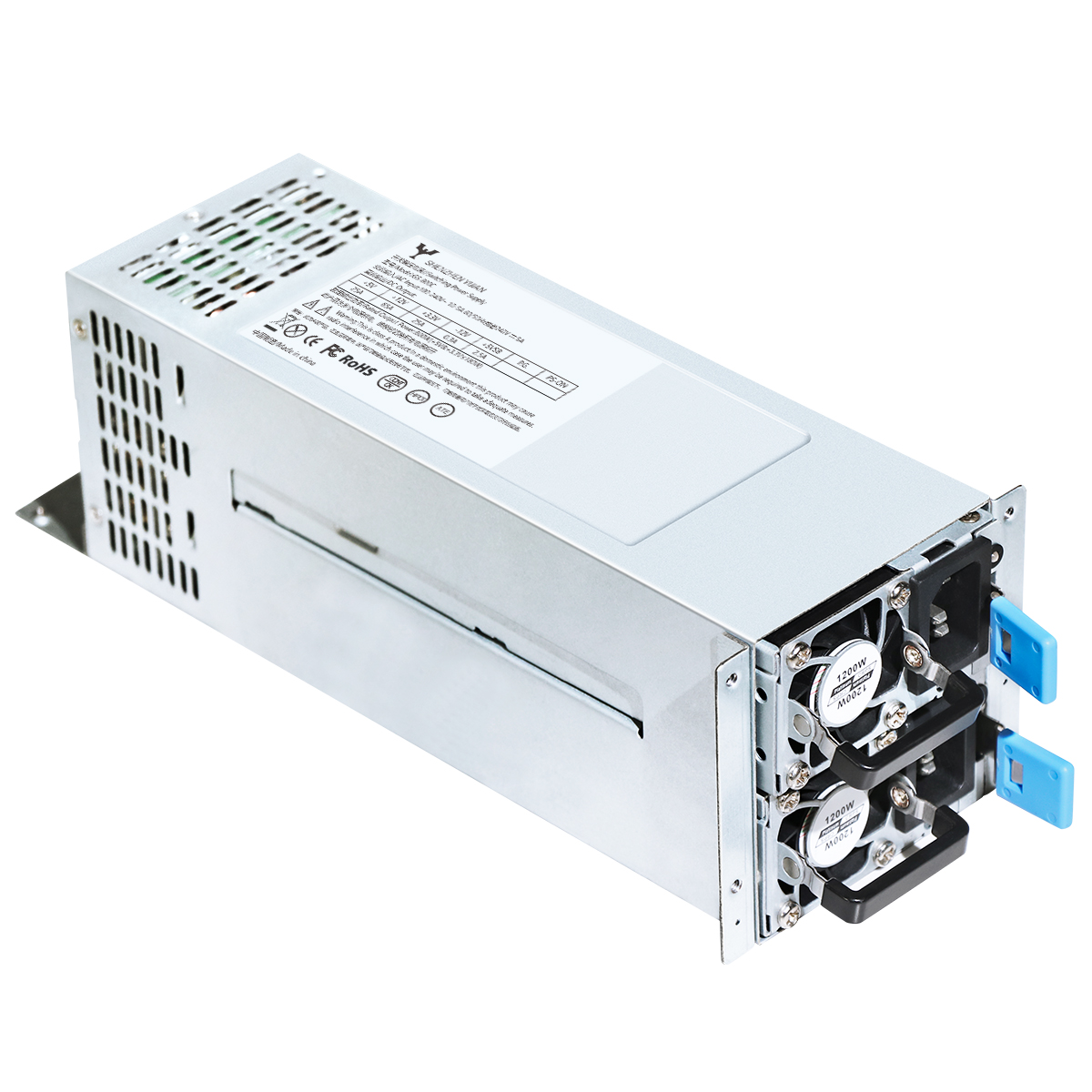
What Is a Redundant Power Supply? Core Principles and Working Mechanisms
Definition and Meaning of Redundant Power Supply
Redundant power supplies (RPS) get rid of those annoying single points where power might fail by combining several power supply units (PSUs) working together. When something goes wrong with one PSU, the rest jump in right away to keep everything running smoothly. We see this kind of setup all over the place in places where downtime just won't cut it - think big data centers keeping websites online, hospitals maintaining life support systems, or telecom companies handling millions of calls at once. These installations typically meet what's called Tier III and IV standards from the Uptime Institute, which basically means they're built to stay operational even when parts start acting up.
How Redundant Power Supply Systems Work: N+1 and N+N Configurations
Redundant systems use two main configurations:
- N+1 Redundancy: One additional PSU beyond the minimum required (e.g., three PSUs for a two-unit load).
- N+N Redundancy: Full mirroring of the primary system, enabling complete failover.
N+1 suits cost-sensitive, smaller-scale deployments, while N+N is standard in enterprise environments requiring zero downtime. A 2023 analysis found N+N configurations reduce outage risks by 92% compared to single PSU setups (Ponemon Institute).
The Role of Failover Mechanisms in Ensuring Uninterrupted Operations
When there's a power disruption, failover systems kick in within fractions of a second and switch the power supply over to backup units without anyone even noticing. Some of the smarter setups actually keep track of how much power different components are using at any given moment and can predict problems before they happen, so they start switching things around proactively. Take for example a large data center operation that managed to stay online almost constantly throughout the year, only going down for about five and a half minutes total. That kind of performance really shows why having quick response times matters so much for keeping operations running smoothly and avoiding costly interruptions.
Key Benefits of Redundant Power Supply Systems for Business Continuity
Ensuring Uninterrupted Operations Through Power Redundancy
Redundant power systems prevent operational halts by activating backup modules instantly during primary power disruptions. N+1 and N+N configurations ensure seamless failover during grid instability or hardware faults, supporting continuous operations in critical environments such as hospitals and financial trading platforms.
Preventing Data Loss and Maintaining System Integrity During Outages
Sudden power loss can corrupt data, damage hardware, and interrupt transactions. Redundant systems enable smooth load transfer to backup units, allowing time for controlled shutdowns or uninterrupted operation. Businesses with redundancy experience 80% fewer data loss incidents during outages compared to unprotected systems.
Reducing Downtime and Improving Customer Satisfaction
Downtime costs businesses an average of $740,000 per incident (Ponemon 2023), undermining customer trust and service delivery. Redundant power minimizes disruptions, helping e-commerce, cloud services, and telecom providers maintain consistent uptime. Organizations using redundancy report 99.99% uptime, directly improving customer retention and brand reliability.
Long-Term Cost Savings Despite Higher Initial Investment
Redundant systems do cost about 15 to 30 percent more upfront, but companies save big on lost time over five years running them. The math works out pretty well actually. Take a factory that manages to avoid even one hour of downtime each year just by having backup systems in place those extra costs get paid back in under 18 months. And there's another benefit too. When power stays steady through redundant setups, equipment lasts longer and needs less fixing around. Maintenance bills drop by as much as 40% for businesses operating at scale. That kind of reliability makes all the difference when keeping operations humming along smoothly day after day.
Types of Redundant Power Supply Systems and Their Use Case Differences
Stand Alone Redundant Power Supplies for Small-Scale Applications
RPS units that stand alone work really well for smaller setups where system outages cause problems but aren't completely catastrophic. We see them all over the place actually - think doctor offices needing their patient records accessible, those little cash registers at convenience stores, even weather stations out in the middle of nowhere. These small N+1 configured boxes keep just one server or network switch running smoothly. The numbers look pretty good too. Around 99.9% uptime without much fuss involved. A recent report from the Ponemon Institute back in 2023 showed businesses saved somewhere around $70k per year when they implemented these kinds of solutions instead of dealing with random power failures disrupting operations.
Rack-Mount Redundant Systems in Enterprise Environments
Most modern data centers depend on rack mounted redundant power supply (RPS) systems to safeguard their server farms against outages. What makes these setups effective is that they usually come equipped with several power distribution units along with those automatic transfer switches we all know as ATS devices. When something goes wrong, these switches kick in almost instantly to maintain service continuity. For the highest level facilities classified as Tier IV, operators go even further by implementing what's called N+N redundancy. Basically this means doubling up on power supplies so there's always backup available when needed. This approach ensures operations keep running smoothly even if two components fail at once, which is how these top tier facilities manage to hit that impressive 99.995% uptime benchmark set by the Uptime Institute.
Redundancy Modules and Integration With Existing Infrastructure
The latest RPS modules make it much easier to upgrade old systems without shutting everything down, thanks to their hot swap capabilities and standard connection points. Many companies are finding they can replace outdated server equipment piece by piece instead of overhauling entire racks at once. These modular units handle traffic distribution between main servers and backups pretty smoothly. According to research published last year by one major tech firm in the industry, businesses using these integrated RPS solutions saved around 30% on installation expenses versus doing complete system replacements. What's more impressive is how fast data keeps moving even when there's an interruption - most reports show transfer delays stay below half a millisecond during power failures or network issues.
Comparative Analysis of N+1 vs. N+N Redundancy Configurations
| Configuration | Redundancy Level | Use Cases | Cost Efficiency |
|---|---|---|---|
| N+1 | 1 backup PSU per system | Small offices, Edge computing | 15-20% higher CAPEX than non-redundant systems |
| N+N | 100% mirrored PSU capacity | Financial trading platforms, Core data centers | 40-60% higher CAPEX but eliminates single points of failure |
Redundant Power Supply in Data Centers: Ensuring High Availability
Data Center Power Requirements and Reliability Tiers
Today's data centers have to hit pretty tough uptime targets. For Tier IV facilities specifically, they need to maintain around 99.995% availability which basically means almost no downtime at all. To achieve this, these facilities are built with complete component redundancy and separate backup pathways throughout the system. Most Tier III centers will go with an N+1 setup for things that aren't mission critical, but Tier IV goes one step further by requiring N+N configurations on everything. This ensures operations keep running smoothly even when technicians need to perform maintenance or if something unexpected happens in the system.
Central Distribution, Protection, and Backup Power Systems
Multi-layered redundancy starts with parallel Power Distribution Units (PDUs) that split loads across independent circuits. Uninterruptible Power Supplies (UPS) provide immediate backup during grid fluctuations, bridging the gap until diesel generators activate. Key components include:
| System | Function | Activation Time |
|---|---|---|
| UPS | Immediate battery backup | <20 milliseconds |
| Diesel Generators | Long-term power (48+ hours) | 10-30 seconds |
| Automatic Transfer Switches (ATS) | Seamless source switching | 100-300 ms |
Final Power Delivery During Complete Utility Failure
During total grid failure, N+N configurations enable dual generators to share 100% load capacity simultaneously. A 2023 study showed this approach reduces outage recovery time by 92% compared to single-generator setups. Synchronized phase-matching between generators prevents harmonic distortions that could damage sensitive IT equipment.
Case Study: High Availability Data Center Using N+N Redundancy
A European hyperscale operator maintained 100% uptime in 2022 despite 14 grid interruptions by implementing:
- Quad-redundant PDUs with real-time load balancing
- Flywheel UPS systems for efficient energy storage
- Dual-fuel generators (diesel + natural gas)
This architecture sustained operations during a 58-hour regional blackout, preventing an estimated $9.2 million in potential downtime costs.
Critical Industry Applications of Redundant Power Supply Systems
Enhancing Reliability of Healthcare Equipment with Redundant Power
Having redundant power sources stops those dangerous interruptions that can happen in hospitals and clinics. Things like MRI machines and ventilators absolutely need constant electricity. A recent study from clinical engineers back in 2023 found that around three quarters of all equipment failures during power cuts happened where there was no backup system in place. Most modern facilities use what's called N+1 configurations these days. Basically, this means extra modules kick in automatically when needed. It helps hospitals meet those tough Joint Commission requirements for emergency power setups, but honestly it's just common sense for patient safety too.
Maintaining Uptime in Manufacturing Automation Systems
Unplanned downtime costs modern production lines an average of $22,000 per minute (Deloitte 2024). Redundant power supplies keep robotic arms and PLC-controlled systems running during brownouts and grid fluctuations. Automotive manufacturers using N+N redundancy report 62% fewer production halts than those relying on single-power-line setups.
Supporting Mission Critical Servers in Financial and Telecom Sectors
Stock exchanges and 5G networks require 99.999% uptime. Redundant power architectures eliminate single points of failure in server farms processing real-time transactions. A 2024 FCC report found financial institutions with dual-grid redundancy experienced 53% fewer service interruptions than those using traditional UPS backups alone.