 EN
EN

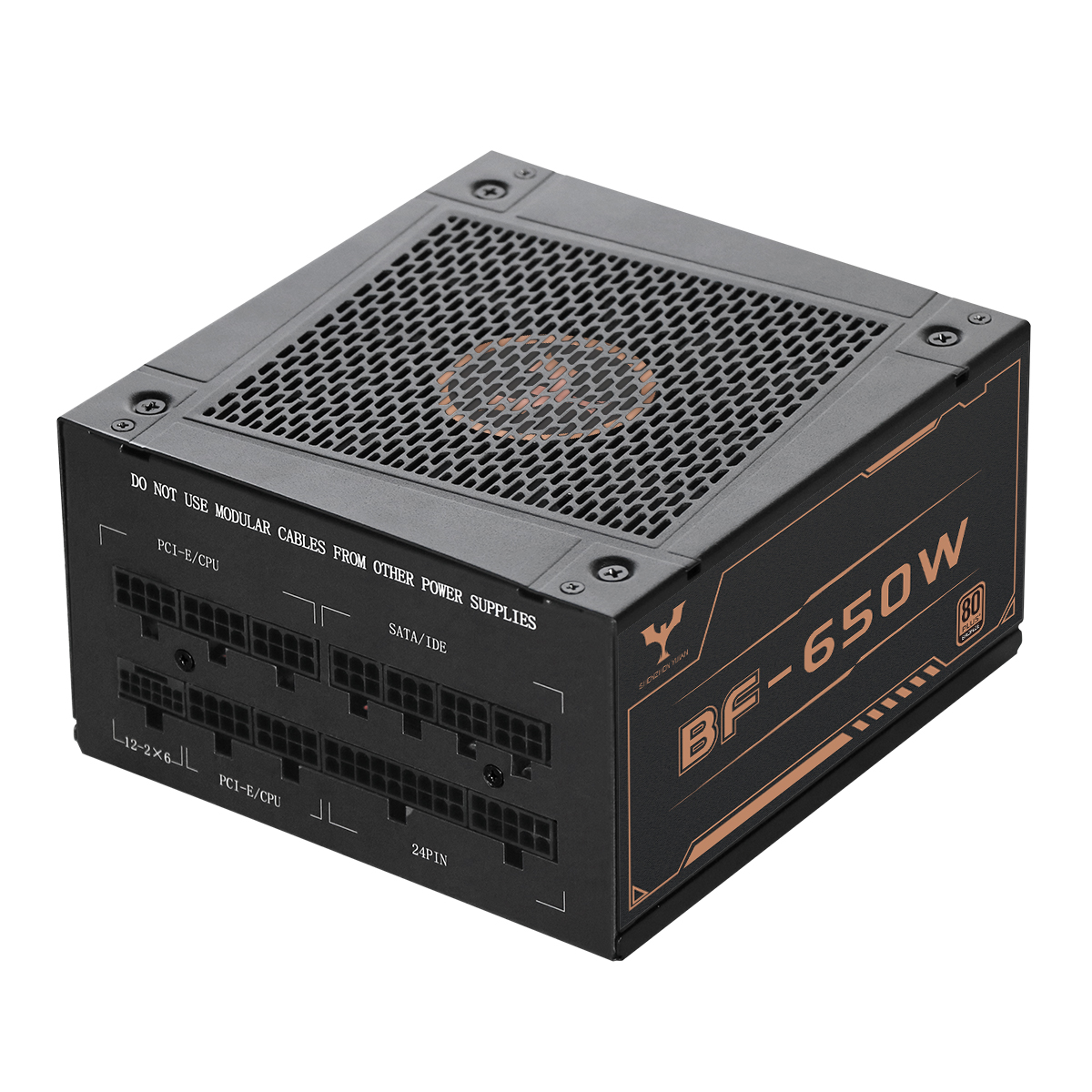
Understanding SFX Power Supply Stability: Key Metrics for Business Reliability
What ‘Stability’ Really Means for SFX Power Supplies in B2B Contexts
Stability in SFX power supplies means consistent, precise voltage delivery under real-world business workloads—preventing data corruption, hardware stress, and unplanned outages. For enterprises, this is foundational to operational continuity: in financial transaction systems or medical imaging, even microsecond-level deviations can cascade into system failures or compliance violations. High Mean Time Between Failures (MTBF) ratings exceeding 100,000 hours reflect robust design and directly correlate with reduced downtime costs. A single infrastructure-related data breach averages $740,000 (Ponemon Institute, 2023), underscoring why stability isn’t just technical—it’s a risk mitigation imperative. Unlike consumer use cases, B2B stability requires tolerance for:
- Concurrent high-load operations (e.g., database queries + GPU-accelerated analytics)
- True 24/7 operation without thermal or electrical performance decay
- Rapid recovery from grid disturbances like brownouts or generator transfers
Voltage Ripple, Load Regulation, and Control Loop Response: Core Stability Indicators
Three interdependent metrics define SFX power supply stability in business environments:
| Metric | Ideal Threshold | Business Impact Example |
|---|---|---|
| Voltage Ripple | < ±1% (<50 mV) | Prevents RAM errors and SSD write failures in virtualization hosts |
| Load Regulation | < ±2% | Maintains HDD/SSD health during backup cycles and load swings |
| Control Loop Response | < 100 μs | Enables seamless recovery from grid transients or generator switchover |
Industrial-grade SFX units achieve these thresholds through premium Japanese electrolytic capacitors, multi-stage filtering, and tightly tuned feedback circuits—design choices that prioritize consistency over cost. Consumer-grade alternatives often sacrifice ripple suppression and transient response to meet price targets, increasing long-term failure risk in mission-critical deployments.
Real-World SFX Power Supply Stability Testing: Beyond Lab Benchmarks
Transient Response Under Dynamic Business Workloads (e.g., Virtualization, Database Spikes)
In live enterprise environments—cloud-hosted virtual machines, real-time analytics engines, or containerized database clusters—power demand shifts abruptly. An SFX PSU must respond within microseconds to 50–100% load steps without sagging or overshooting voltage. Industry testing shows that units exceeding 200 μs recovery time increase crash frequency by up to 15% in high-availability configurations. Top-tier SFX models deliver sub-100 μs recovery, ensuring transaction integrity during payment surges, backup windows, or failover events—directly supporting uptime SLAs and minimizing revenue impact from unplanned interruptions.
Comparative Stability Performance: SFX vs. ATX PSUs in Server and Edge Workstation Deployments
Form factor influences—but doesn’t dictate—stability. ATX PSUs benefit from larger heatsinks and more generous airflow paths, often achieving lower full-load ripple (e.g., <30 mV) and marginally tighter regulation. Yet modern SFX designs close this gap meaningfully: leading enterprise-grade models maintain voltage regulation within ±3% across 10–100% loads—comparable to mid-tier ATX units in identical workloads. Where SFX excels is in space-constrained edge deployments: retail POS nodes, remote security gateways, and compact network appliances gain reliability without compromising footprint. When paired with 80 PLUS Gold or Platinum certification—and validated by independent testing—SFX becomes a strategic fit for edge resilience, not a compromise.
Business Use-Case Alignment: When SFX Power Supply Stability Meets Operational Requirements
Matching SFX PSU Stability to Tiered Business Environments: SMB Servers, Network Appliances, and Compact POS Systems
Stability must be calibrated to operational context—not just spec sheets. In SMB servers running virtualized workloads, sub-50 mV ripple prevents silent memory errors during nightly backups or patch cycles. Network security appliances rely on stable 12V rails to sustain firewall throughput; deviations >2% risk packet loss or session timeouts during threat mitigation. Compact POS systems require fast transient response (<100 μs) and built-in brownout protection to preserve transaction logs and avoid payment failures during local grid fluctuations. Crucially, SFX’s compact form enables dense, thermally managed installations where ATX would overheat or violate enclosure constraints—making it the only viable path to stability in many edge scenarios. When properly matched, certified SFX PSUs reduce hardware-related failure rates by up to 30% in space-limited business systems.
Selecting a Stable SFX Power Supply: Certification, Design, and Vendor Trust Signals
Selecting an SFX power supply for business-critical use demands a holistic evaluation—not just wattage or efficiency labels. Begin with certifications: 80 PLUS Gold or Platinum validates sustained efficiency under real load, while UL, CE, and CB Scheme approvals confirm rigorous third-party validation of safety, electromagnetic compatibility (EMC), and long-term reliability. Design quality follows closely—look for Japanese-sourced capacitors (e.g., Nippon Chemi-Con, Rubycon), comprehensive protection (OVP, OPP, SCP, OTP), and intelligent thermal management such as fluid dynamic bearing (FDB) fans or semi-fanless operation for noise- and heat-sensitive edge enclosures. Finally, assess vendor trust signals: 7+ year warranties, transparent MTBF data ≥100,000 hours, and documented adherence to ISO 9001 or IATF 16949 manufacturing standards all indicate enterprise-grade commitment. This integrated approach ensures your SFX PSU delivers predictable, field-proven stability—protecting both infrastructure integrity and business continuity.
FAQ
What is the importance of voltage ripple in SFX power supplies?
Voltage ripple is crucial because it prevents RAM errors and SSD write failures, which are critical in virtualization hosts and similar setups.
How does load regulation benefit business environments?
Load regulation maintains the health of HDDs and SSDs during varying load cycles, like backup operations, ensuring steady performance and longevity.
Why is control loop response significant in SFX power supplies?
Control loop response is vital for enabling seamless recovery from unexpected grid transients or generator switchovers, maintaining system stability.
How does SFX compare to ATX power supplies in terms of stability?
SFX power supplies are comparable to ATX in space-constrained environments and edge deployments, offering similar voltage regulation with compact design benefits.
Table of Contents
- Understanding SFX Power Supply Stability: Key Metrics for Business Reliability
- Real-World SFX Power Supply Stability Testing: Beyond Lab Benchmarks
- Business Use-Case Alignment: When SFX Power Supply Stability Meets Operational Requirements
- Selecting a Stable SFX Power Supply: Certification, Design, and Vendor Trust Signals
- FAQ