 EN
EN

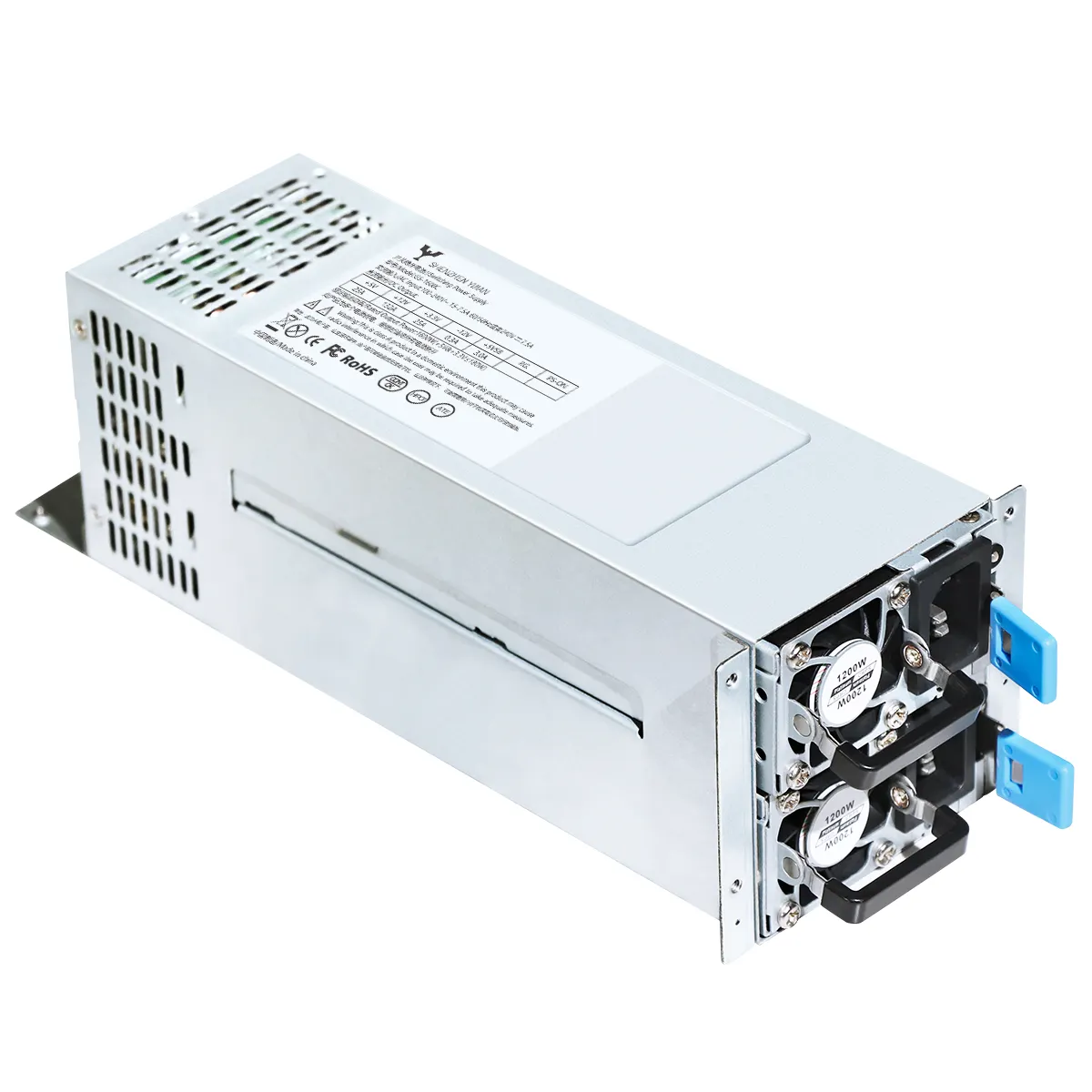
It’s no surprise that server systems are critical to a business in the modern world. For companies that rely on 24/7 uptime, a Redundant Power Supply (RPS) is an absolute must. Having an RPS integrated into the server infrastructure enables a business to improve uptime, system reliability, and help avert prospective data loss. This article elucidates the RPS importance on modern servers with an emphasis on business needs and advantages.
Explaining Redundant Power Supply
A Redundant Power Supply is a system that is integrated within a server or a data center that consists of two or more power units. RPS systems alternately use two or more power supplies. Redundant systems RPS function with failure safety. It is crucial that a server operates seamlessly in the modern world, where the e-commerce landscape, banking services, and cloud services are on the rise.
Redundant Power Supply Benefits
As put forth by the RPS, the consequences of the failing of the server power supply has become a thing of the past, making server downtimes a near-exotic phenomenon. Improved reliability does in fact improve customer satisfaction considering that businesses are now able to provide a guarantee on the service. In addition, RPS systems are known to come with extra perks such as the “hot-swappable” parts meaning maintenance and server resets are not needed.
Cost Benefits RPS Systems
Standard power systems can be a better investment but in the long run RPS proves to be the better investment. In addition to the RPS, take into account that with the RPS project, these tools can minimize worker compensation, cut on restoring of the lost revenue, and will protect the company’s reputation. Moreover, with the RPS projects, server operations can smoother sailing meaning a drop in utility expenses.
Flexibility and Scalability
Changing business activities prompts companies to change their IT infrastructure. Change in workload and redundancy in power supplies which are modular in nature. Such flexibility is critical in supporting projected growth. Businesses can adopt redundant power supplies to scale their servers to handle demand spikes while optimizing performance.
Industry Relevant Market Trends RPS
The increasing use of cloud computing is driving the demand for RPS systems and virtualization power supply units. With the increasing adoption of cloud computing, the demand for cloud computing will also increase. In addition, the modern demand for power devices is their size and effectiveness. Companies that are able to provide dependable power solutions are in a better strategic position to respond to the rapid shifts taking place in the IT landscape.
In summary, businesses are well positioned to plan and strategize for the operational agility and resilience required after understanding the benefits and trends relevant to RPS. With reduced business exposure and optimized business functioning power failure, RPS systems provide unmatched investments down systems.