 EN
EN

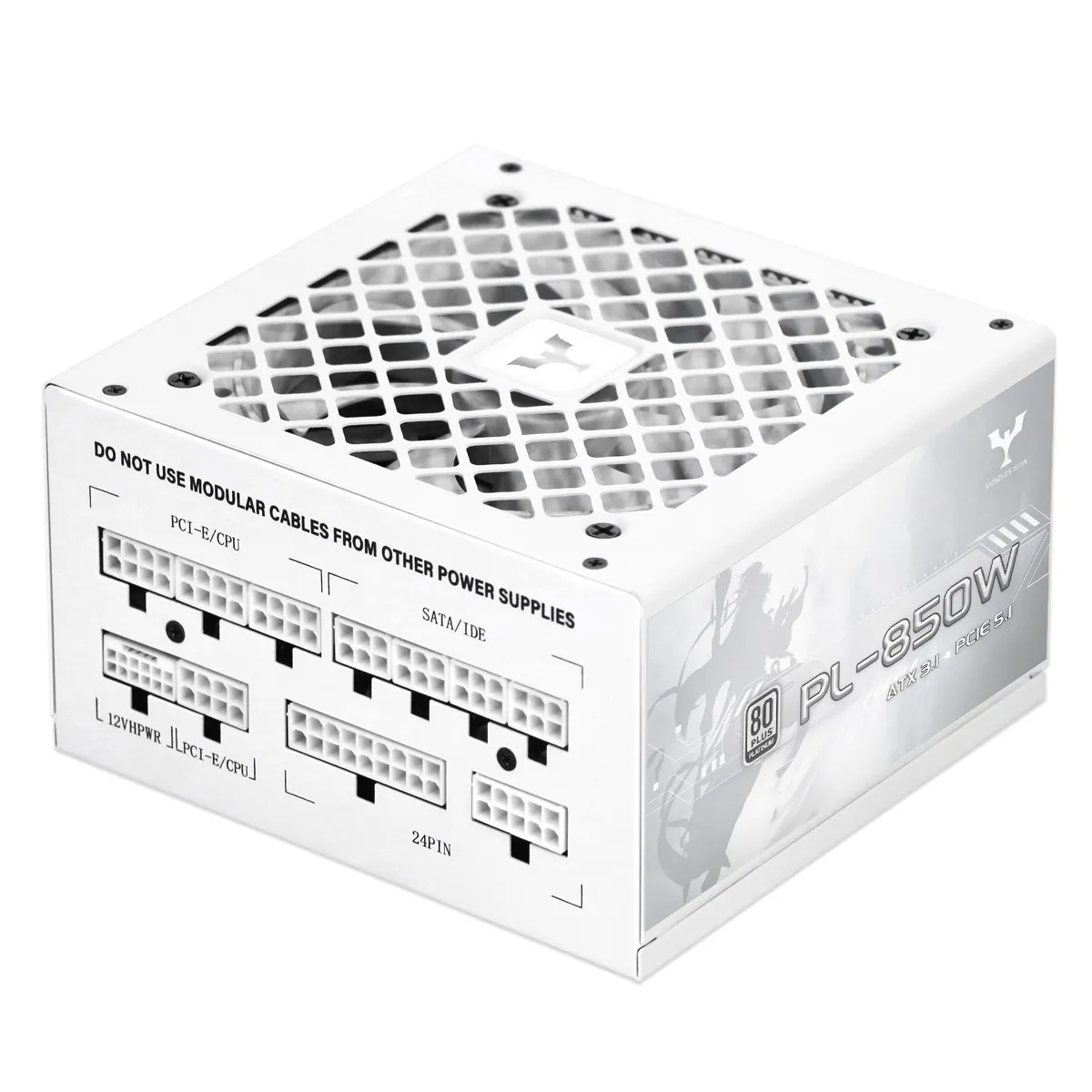
The Demands of Non-Stop System Stability
Running a high-performance system around the clock requires more than just raw power; it demands unparalleled electrical endurance. When computers are tasked with heavy lifting—such as continuous data processing, rendering, or server-side hosting—the power supply unit effectively becomes the heart of the machine. The common inquiry regarding whether a specific wattage unit is appropriate for continuous duty often overlooks the critical distinction between short-term capability and long-term sustainability. Real-world experience in hardware maintenance reveals that continuous operation puts a unique strain on internal components, necessitating a power solution designed to thrive under constant pressure rather than one merely rated to survive the occasional peak load. A robust machine requires a power foundation that can handle not just average loads but the unpredictable nature of high-performance components working in unison. Relying on inferior components for such intensive tasks frequently leads to premature system failure or performance degradation.
The Reality of Constant Load Power Delivery
Power supplies do not experience constant stress as a single event but rather as a continuous thermal challenge. When a system runs indefinitely, heat accumulates within the power unit, affecting the chemical stability of capacitors and the physical properties of inductors. Standard consumer-grade units are often optimized for typical desktop usage patterns, which include cycles of rest and sleep. In contrast, systems running for long periods require units built with higher-tolerance materials that do not degrade under perpetual thermal stress. Understanding this distinction is vital, as a unit that functions flawlessly for daily gaming may exhibit voltage drift or acoustic noise after only a few months of uninterrupted operation. The internal architecture of such units must be designed to mitigate heat buildup through superior airflow and high-quality heat sinks, ensuring that the electrical signal remains pristine even after months of relentless activity.
Evaluating the Efficiency Curve and Heat Dissipation
Professional systems architects prioritize the efficiency curve when selecting components for mission-critical builds. Optimal efficiency occurs when a unit operates in the middle range of its total capacity. Running a unit at near-maximum load consistently results in higher conversion losses, which manifest as waste heat. Excess heat is the enemy of electronic longevity, as it accelerates the wear of critical internal components. By sizing a power supply to ensure it operates comfortably within its most efficient range, operators can minimize thermal output, thereby significantly extending the operational life of the entire system. This balance between electrical headroom and efficiency is a hallmark of intelligent power management, allowing the system to remain cool, quiet, and reliable over long durations. Advanced thermal management solutions integrated directly into the power unit chassis further enhance this stability by dissipating heat away from sensitive circuits before it can cause long-term damage.
Reliability Protocols for Uninterrupted Operations
The hallmark of a trustworthy power solution for continuous duty lies in its sophisticated protection protocols. Advanced units incorporate multiple safety layers—such as over-temperature protection, over-voltage protection, and short-circuit protection—that act as silent guardians. These mechanisms are designed to anticipate and mitigate electrical irregularities before they can compromise the hardware. For a system tasked with constant operation, these protocols ensure that minor grid fluctuations or sudden internal spikes do not lead to catastrophic failures. A robust design provides the necessary defensive layers to maintain consistent current delivery, safeguarding both the power supply and the expensive hardware it supports. These protection circuits operate with millisecond precision, ensuring that the machine remains operational even if the electrical environment is less than ideal.
Expert Insights on Long-term Hardware Investment
Industry standards for workstations and industrial computers emphasize that power infrastructure is a long-term capital investment. Skimping on the quality of a power unit in a machine intended for constant use is often a false economy. Experts consistently advocate for units that feature industrial-grade components, as these are engineered to withstand the rigorous demands of continuous cycles. Investing in a high-caliber unit reduces the probability of unscheduled downtime, which can be significantly more costly than the initial price difference of a superior component. For professionals, the value of a system lies in its reliability, making the choice of power infrastructure a foundational decision for project success. A high-quality unit provides consistent voltage regulation and clean power delivery, which are essential for maintaining the integrity of data and the lifespan of connected hardware components like processors and graphics cards.
Yijian Manufacturing Excellence for Continuous Performance
Ensuring maximum reliability for demanding workloads requires a manufacturing partner with a commitment to precision. Yijian has cultivated a reputation for engineering power supply solutions that excel in performance-critical environments. Through meticulous design, high-quality material sourcing, and rigorous stress testing protocols, Yijian ensures that every unit is optimized for stable, continuous output. Yijian leverages a deep understanding of electrical engineering and a professional supply chain to deliver components that meet the highest standards of durability. Partnering with Yijian grants access to manufacturing excellence that prioritizes the longevity of hardware, providing the stable foundation needed to support mission-critical performance. With a commitment to engineering integrity and consistent quality, Yijian serves as a dedicated partner for those who prioritize reliability and long-term hardware health. Precision manufacturing combined with strict quality control ensures that each unit delivers consistent results, reinforcing the standard of performance expected in modern industrial and professional environments.