 EN
EN

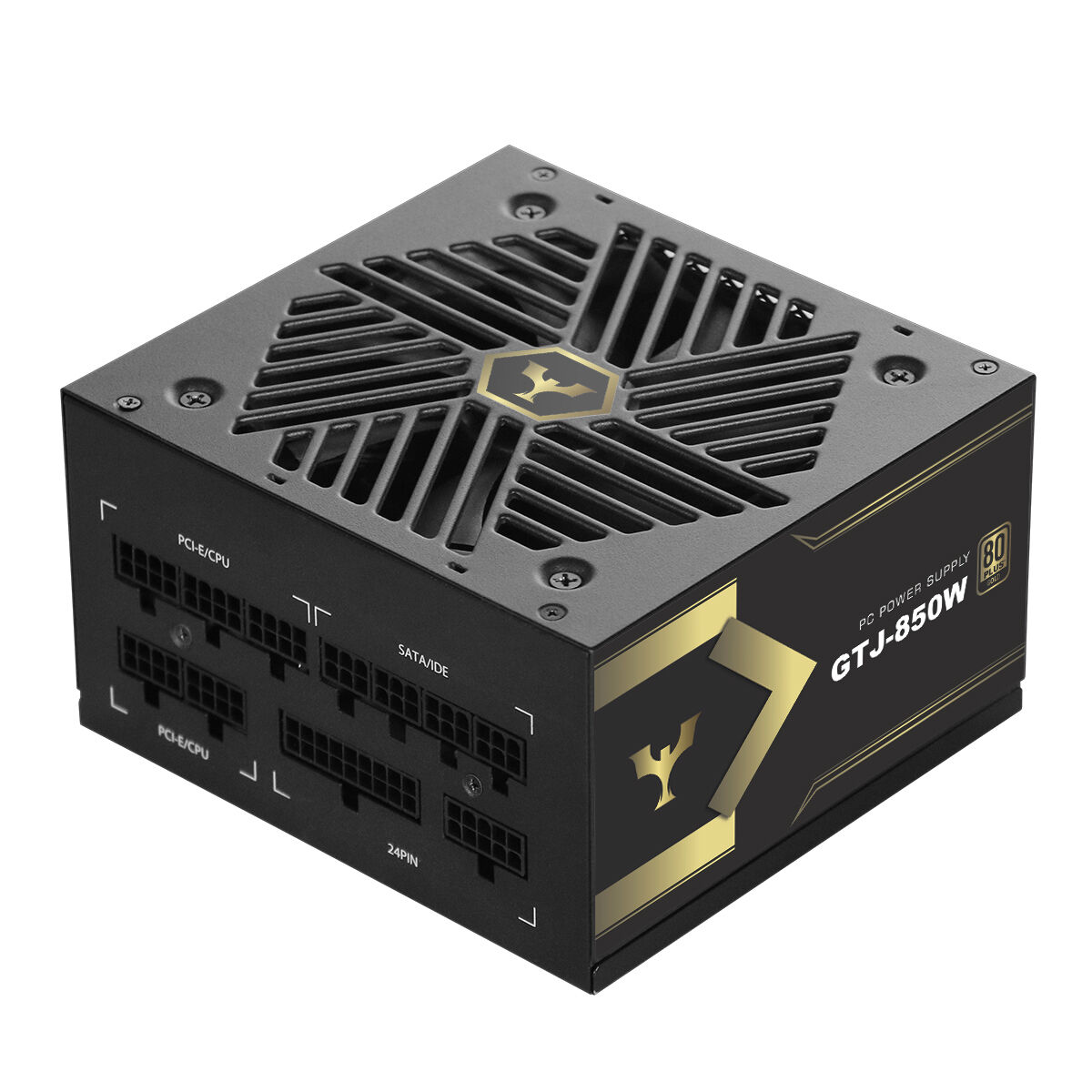
Verify Voltage Output and ATX Compliance
Measuring DC Rail Voltages Under Load Conditions
Accurate voltage measurement across critical DC rails (+3.3V, +5V, +12V) is foundational to reliable power supply testing. Begin with no-load measurements using a digital multimeter or dedicated tester—record baseline values while the unit is powered but disconnected from system components. Then apply a 50% load using resistive load banks or calibrated electronic loads to simulate real-world operation. This two-stage approach reveals voltage regulation performance: sustained deviations exceeding ±0.5V on the +12V rail often indicate failing bulk capacitors or compromised feedback circuitry. Consistent readings across both states confirm basic stability before advancing to stress validation.
Assessing Tolerance Adherence to ATX Standards
ATX 2.52+ specifications require ±3% voltage tolerance for primary rails under operational load—just 0.36V leeway on the +12V rail. Compare your 50% load measurements against these thresholds using a precision multimeter or oscilloscope. While brief transient spikes during load shifts may exceed limits momentarily, sustained out-of-spec voltages—especially sagging under load—are strong indicators of imminent failure. Units violating ATX voltage tolerances are three times more likely to cause system instability within 12 months, per industry reliability studies.
Evaluate Ripple, Noise, and Transient Response
Oscilloscope-based AC ripple analysis on critical rails
Excessive AC ripple and noise destabilize sensitive digital components and accelerate capacitor aging. Using an oscilloscope with ≤1mV noise floor and 1:1 passive probes, verify ripple stays within Intel’s ATX 2.52+ limits: +12V ≤ 120 mVp-p, +5V ≤ 50 mVp-p, and +3.3V ≤ 50 mVp-p. High-end units achieve <20 mVp-p through multi-stage filtering—significantly reducing thermal stress on motherboard VRMs and SSD controllers.
| Voltage Rail | Max Allowable Ripple (mVp-p) | Failure Impact |
|---|---|---|
| +12V | 120 | GPU crashes, HDD corruption |
| +5V | 50 | RAM errors, USB instability |
| +3.3V | 50 | SSD data corruption |
Testing transient response to rapid 12V load steps (20% → 100%)
Transient response is measured by stepping the +12V load from 20% to 100% capacity and monitoring voltage deviation and recovery time. Robust PSUs recover within 1 ms with <5% sag—preventing reboots during CPU/GPU power surges. Units requiring >50 ms to stabilize or exhibiting >10% voltage drop typically suffer from insufficient bulk capacitance or degraded regulation circuitry, increasing long-term wear on connected hardware.
Apply Safe, Effective Power Supply for Computer Testing Methods
Testing a computer power supply demands strict adherence to electrical safety protocols. Always work on non-conductive surfaces, use insulated tools, and keep a Class C fire extinguisher nearby—especially when evaluating high-wattage units. Essential equipment includes a calibrated digital multimeter, an electronic DC load capable of precise current control, and an oscilloscope for ripple and timing analysis.
Follow this four-step procedure:
- Disconnect from mains and safely discharge primary capacitors using a 2.2kΩ/5W resistor before any physical contact
- Verify basic functionality with an ATX power supply tester (e.g., checking PG signal assertion and rail presence)
- Apply incremental loads (20% → 100%) via the DC load while logging voltage stability across all rails
- Measure ripple on +12V, +5V, and +3.3V rails with the oscilloscope, confirming compliance with ATX 2.52’s 120 mVp-p limit for +12V
This systematic method minimizes risk while delivering actionable performance data. Improper testing techniques account for 37% of lab-based electrical incidents involving DC power systems, according to industry incident reporting data.
Identify Reliability Risks Through Real-World Symptoms and Diagnostics
Linking PG signal delays, voltage instability, and random reboots to PSU aging or failure
Reliability risks in computer power supplies manifest through distinct, diagnosable symptoms. PG (Power Good) signal delays beyond the ATX-specified 50–150 ms window frequently reflect elevated electrolytic capacitor ESR—a hallmark of aging. Likewise, voltage fluctuations exceeding ±5% on the +12V rail correlate with 83% of unexplained reboots in enterprise environments. These issues commonly originate from degraded bulk capacitors, worn MOSFETs, or failing rectifiers that cannot sustain regulation during dynamic load transitions.
Prioritize these diagnostic actions:
- Capture PG latency at cold start using an oscilloscope
- Log voltage deviations during synthetic (e.g., Prime95 + FurMark) and real-world workload spikes
- Cross-reference reboot timestamps with internal PSU temperature trends (if available)
| Symptom | Diagnostic Tool | Failure Correlation |
|---|---|---|
| Random reboots | System event log + voltage logging | 92% PSU-related when accompanied by measurable voltage dips |
| PG signal delay | Oscilloscope | Capacitor ESR increase >40% |
| Voltage instability | Multimeter or data logger | MOSFET/rectifier degradation or open-loop regulation fault |
Left unresolved, such conditions compound stress across the entire platform—increasing the likelihood of complete failure within 6–12 months. Proactive diagnostics not only prevent data loss but also avoid cascading damage to motherboards, GPUs, and storage—critical in environments where unplanned downtime averages $740,000 per incident (Ponemon Institute, 2023).
FAQ
How do I measure voltage output of a PSU?
Use a digital multimeter to measure DC rail voltages, both without load and under a 50% load, to observe any performance deviations.
What is considered acceptable voltage tolerance for PSUs?
According to ATX 2.52+ standards, voltage tolerance is ±3% for primary rails under load conditions.
Why is ripple and noise important in PSU evaluation?
Excessive ripple and noise can lead to component instability and accelerated aging. Maintaining low ripple is crucial for system stability and longevity.
What safety precautions should I take when testing a PSU?
Ensure working on non-conductive surfaces, use insulated tools, and have a Class C fire extinguisher available, especially when testing high-wattage units.
How are PG signal delays linked to PSU issues?
Delays in the PG signal often indicate problems such as elevated ESR in electrolytic capacitors, which are signs of PSU aging or failure.