 EN
EN

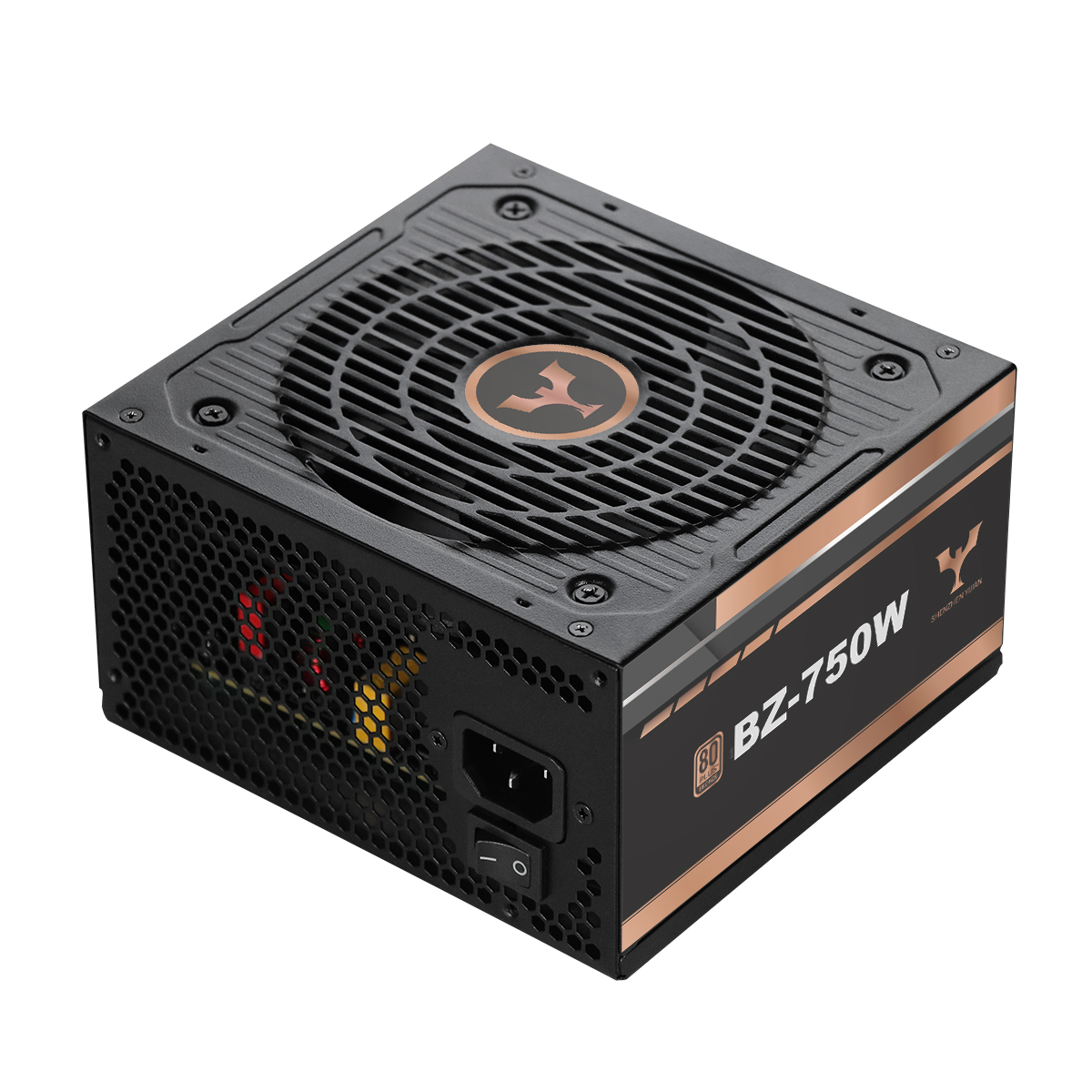
No business today can afford disruptions, so operations have to run smoothly and efficiently. As a result, modern enterprises face unique redundancy challenges. With efficient power backup solutions, businesses can achieve significant operational continuity. In this article, I will explore the importance of redundant power supplies , as well as their different types, advantages, and the most efficient strategies for their application.
What Are Redundant Power Supplies?
When there is a primary source failure or outage, backup systems are the first to be activated to help mitigate potential damage. In this case, redundant power supplies are designed for backup in a way that critical equipment will still remain operational whatever the case may be. These systems are made up of multiple working together power supply units (PSUs) to ensure power reliability. Whenever one PSU fails, the rest are able to automatically switch on, ensuring no downtime occurs while carrying out processes and vital data is not lost.
Different Variants of Redundant Power Supplies
Based on the unique business needs, there are different types and configurations available such as N+1, N+2 and 2N. The N+1 configuration has one additional PSU beyond the required number, while N+2 has two extras. The 2N configuration features a complete duplicate of the power system. Each configuration has its pros that can be selected based on how much redundancy a users business operations require.
Advantages of Having Redundant Power Supplies
Having redundant power supplies implemented in your business comes with many benefits. For starters, they help to increase redundancy by enhancing reliability, which is critical for customer trust and business productivity. In addition, they assist in data recovery plans, guaranteeing data can be fetched during emergencies. In addition, redundant power supplies can also balance the workload on different units, improving the overall system performance.
Most Effective Ways for Setting Up Redundant Power Supplies
For businesses to set up redundant power supplies effectively, there are certain best practices they should follow. Proper checking of critical systems should be done to determine their power needs and set up a suitable configuration. Reliability of the power supplies should be checked regularly and maintained, this helps ensure they are functional when required. In addition, employing automated failure alerting systems that notify IT staff of impending failures IT can help resolve issues before they happen.
Current Trends and What’s On the Horizon
As technology adoption grows, the need for non-stop services will increase, motivating demand for redundant power supplies. The shift to digitized business operations will further aggravate the situation. Advanced monitoring features and modular construction innovations will improve the efficiency and ease of the user interface for redundant power systems.
To summarize, redundant power supplies protect operations from IT outages, which helps businesses secure their operations in the modern world. Organizations that grasp their significance along with types and best practices can avert unexpected disturbances while retaining a competitive advantage.