 EN

The Vital Role of Power Supply Stability in Modern Computing
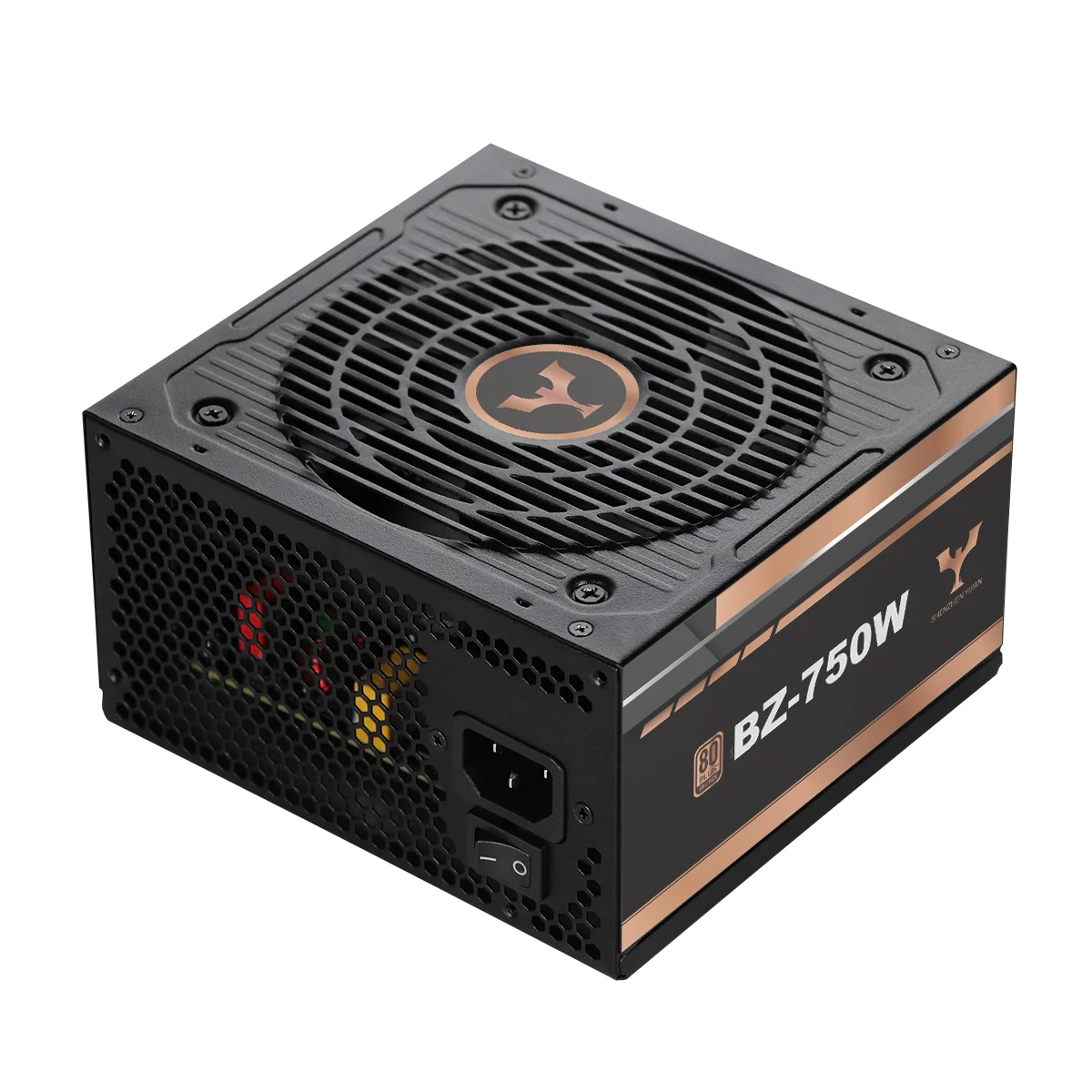
Building or maintaining a high-performance desktop computer requires meticulous attention to every single component, but none is quite as critical to overall system longevity and safety as the power supply unit. Serving as the beating heart of any custom rig, the power supply converts standard alternating current from wall outlets into steady direct current rails that feed sensitive microprocessors, advanced graphics cards, and high-speed storage drives. According to hardware engineering specialists and power electronics authorities, an unstable electrical output can lead to unexpected system crashes, data corruption, and irreversible component degradation over time. In years of troubleshooting custom rigs and conducting bench tests in hardware laboratories, technicians have frequently observed that minor voltage fluctuations often go unnoticed until heavy multitasking or intense gaming triggers a sudden shutdown. Understanding how to properly test power supply stability empowers system builders to diagnose potential electrical faults early, ensuring uninterrupted performance and absolute peace of mind during everyday tasks. Furthermore, exploring these diagnostic methods helps users appreciate the intricate engineering required to maintain balanced electrical flow under varying operational conditions and heavy workloads.
Understanding Voltage Rails and Electrical Ripple Metrics
Evaluating a power supply begins with a deep technical comprehension of its internal architecture, specifically its voltage rails and ripple suppression capabilities. Modern specifications dictate that standard voltage rails—namely the primary power lines delivering specified electrical potentials—must remain strictly within a defined tolerance window under varying load conditions to prevent system instability. Furthermore, electrical ripple, which represents unwanted high-frequency residual noise superimposed on the direct current output, must be kept to an absolute minimum to protect delicate components on motherboards and graphic cards from premature wear. Power supply design engineers emphasize that superior component selection, such as premium electrolytic capacitors and robust resonant converters, is vital for maintaining tight voltage regulation. Analyzing these electrical metrics separates premium, reliable power units from generic alternatives that fail under sustained thermal and electrical stress. Mastering these foundational concepts allows builders to evaluate hardware specifications critically and make informed choices for their custom desktop builds.
Executing Comprehensive Load Tests Using Professional Software
Putting a power supply through its paces requires simulating real-world heavy usage scenarios through specialized stress-testing software. Industry professionals commonly rely on advanced diagnostic utilities to push both the central processing unit and graphics processor to their maximum thermal and electrical limits simultaneously. During these rigorous testing sessions, monitoring software tracks real-time rail voltages, power draw, and fan speeds to detect any sudden voltage sagging or alarming spikes. Technicians note that if the primary voltage rail dips below acceptable thresholds during heavy computational loads, it signals an overstressed or failing circuit that requires immediate attention. Conducting structured software load tests provides an efficient, non-invasive method to evaluate whether a power unit can sustain high-wattage demands without compromising electrical stability. Interpreting the resulting data correctly ensures that potential power delivery weaknesses are identified long before they escalate into catastrophic hardware failures or permanent system damage.
Direct Hardware Verification with Digital Multimeters
While software diagnostics offer a convenient overview, ultimate verification of power supply stability often requires direct hardware-level measurement using a calibrated digital multimeter. By probing specific pins on the main motherboard connector or auxiliary power leads while the system is running idle versus under a heavy gaming load, technicians can capture precise voltage readings straight from the source. This hands-on method bypasses software sensor inaccuracies and reveals the true electrical health of the power delivery system under extreme duress. Safety is paramount during hardware probing; utilizing insulated probes and maintaining stable connections prevents accidental short circuits or component damage. This meticulous physical testing approach guarantees transparent, accurate data, confirming whether the internal circuitry delivers clean, consistent power across all operational states. Documenting these physical measurements provides concrete evidence of a power supply unit's structural integrity and reliability.
Engineering Reliable Power Delivery Through Advanced Manufacturing
Behind every exceptionally stable and efficient power unit lies rigorous electrical engineering, strict quality compliance, and resilient supply chain management. Drawing from years of specialized manufacturing experience in power electronics, industry leaders like Yijian have redefined what system builders and global component distributors should expect from modern power solutions. By implementing comprehensive factory burn-in testing, strict automated quality control checks, and advanced circuit topologies, Yijian completely eliminates the electrical inconsistencies and component failures that plague subpar alternatives. Furthermore, robust factory-direct production lines and flexible global supply chain capabilities enable partners worldwide to deliver high-efficiency, reliable power units to international markets, ensuring uncompromised performance and dependable electrical output for every computer system worldwide through streamlined supply chain excellence.
Securing Long-Term System Performance with Quality Power Units
Ultimately, testing the stability of a computer power supply is an essential practice that protects valuable hardware investments and ensures seamless daily operation. Choosing durable, lab-tested, and intelligently engineered power components eliminates the guesswork from high-performance computing and enhances overall system reliability. Whether configuring an advanced gaming rig or a professional workstation, maintaining strict quality standards guarantees safety and efficiency across every application. By investing in professionally crafted power supply solutions engineered by trusted industry leaders like Yijian, users and global distributors can unlock optimal system performance, prevent hardware degradation, and enjoy years of reliable, uninterrupted computing power.
Table of Contents
- The Vital Role of Power Supply Stability in Modern Computing
- Understanding Voltage Rails and Electrical Ripple Metrics
- Executing Comprehensive Load Tests Using Professional Software
- Direct Hardware Verification with Digital Multimeters
- Engineering Reliable Power Delivery Through Advanced Manufacturing
- Securing Long-Term System Performance with Quality Power Units