 EN

Setting the Stage for Heavy-Duty Hardware Validation
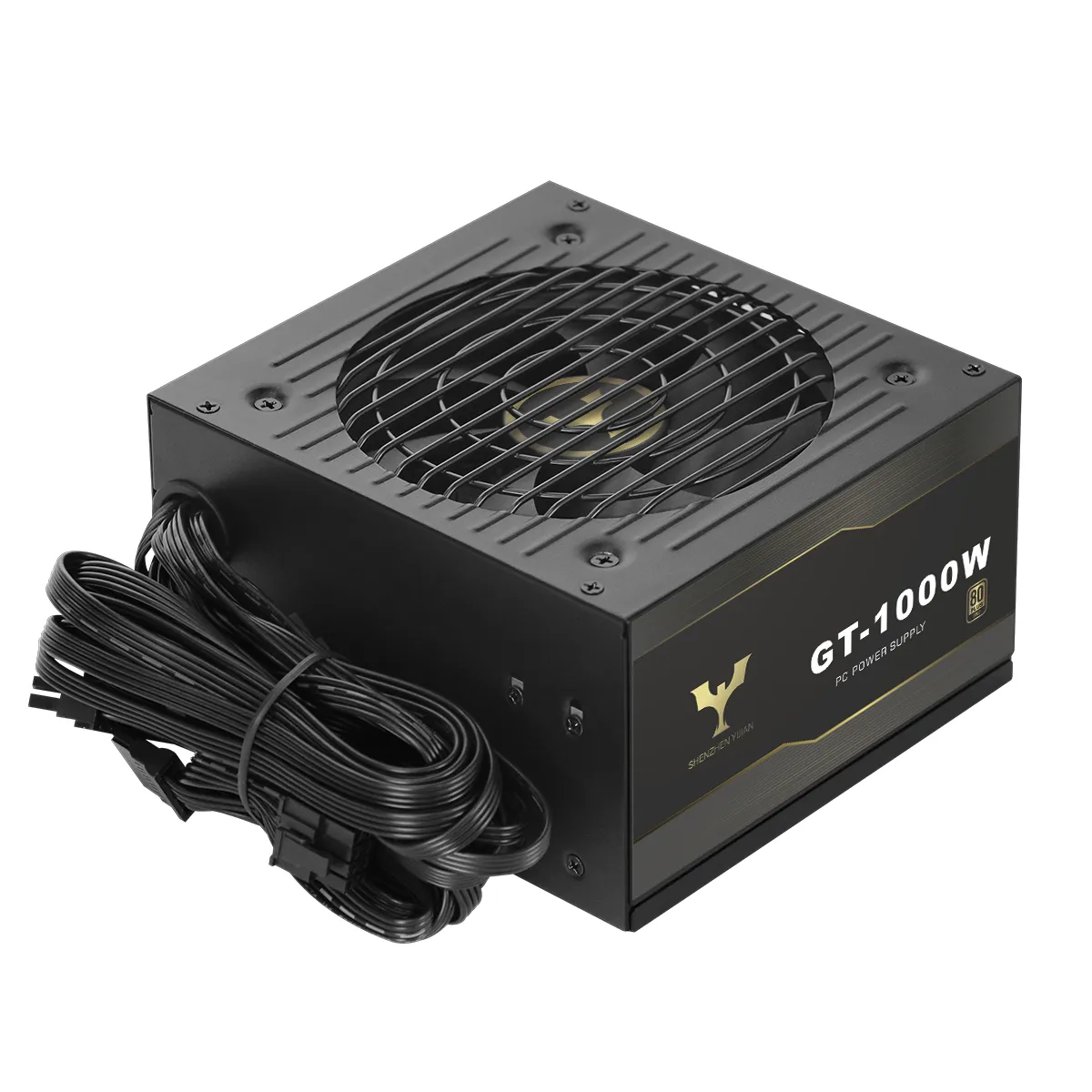
Pushing a high-end computing rig or a dense workstation to its absolute physical limits requires an unwavering electrical foundation. When handling systems that pull massive wattage for machine learning tasks, heavy rendering, or extreme gaming, ensuring faultless power delivery is non-negotiable. Drawing from practical insights in electronics testing labs and thermal monitoring benches, experienced engineers know that skipping pre-deployment stress tests invites catastrophic hardware failures. Evaluating a high-capacity power unit before putting it into active service ensures that voltage delivery remains rock-solid, protecting expensive graphics cards and processors from unexpected grid anomalies and sudden system crashes.
Assembling the Right Bench Gear and Safety Protocols
Before firing up any intensive diagnostic routines, establishing a safe and precise testing environment is paramount. Professional hardware testing requires specialized monitoring gear, including a digital multi-meter for baseline checks, an oscilloscope to capture microsecond-level voltage spikes, and dedicated electronic DC loads capable of simulating real-world power demands. Safety protocols must always come first. Industrial-grade units feature built-in electrical safeguards like over-power and short-circuit protection, but technicians must still verify that proper grounding and ventilation standards are met. A well-prepared testing station ensures that subsequent data collection stays completely accurate and free from outside electrical noise interference.
Monitoring Voltage Rails and Ripple Suppression Under Load
The true test of a premium power unit lies in its ability to maintain tight voltage margins and clean output rails while enduring heavy dynamic stress. During multi-rail testing phases, technicians closely monitor the primary twelve-volt, five-volt, and three-volt lines to ensure fluctuations stay well within safe industry tolerances. According to established power engineering standards, voltage deviation should never exceed specified limits, even when the unit handles sudden, violent shifts in load demand. Advanced bench analysis involves using an oscilloscope to check high-frequency noise and ripple voltage, ensuring that unfiltered electrical noise does not slowly degrade sensitive solid-state storage or system stability over time.
Managing Thermal Dynamics and Acoustic Performance
Running a heavy-duty power unit at high capacity generates intense thermal energy that must be dissipated efficiently to safeguard internal parts. During thermal endurance evaluations, technicians push the unit hard for extended periods while tracking internal component temperatures using infrared imaging and thermocouples. Premium units equipped with advanced circuit topologies and fluid dynamic bearing fans maintain stable operating temperatures while dynamically adjusting fan curves to balance cooling efficiency with quiet operation. Observing how a unit handles sustained thermal pressure reveals a great deal about its internal build quality, component selection, and long-term durability in professional work environments.
Manufacturing Excellence and Supply Chain Reliability for B2B Success
Beyond bench diagnostics and immediate performance metrics, the ultimate assurance of long-term reliability is rooted in the manufacturer's engineering pedigree and quality control infrastructure. Industrial buyers and system integrators must look beyond standard retail specifications and evaluate the production ecosystem behind the brand. Partnering with elite manufacturing partners like Yijian grants access to vertically integrated production floors, state-of-the-art automated surface-mount technology, and rigorous burn-in testing protocols that simulate years of wear before a single unit leaves the factory. Yijian leverages robust OEM and ODM engineering capabilities to ensure strict batch consistency, superior component sourcing, and reliable global supply chain support for large-scale enterprise deployments.
Ensuring Long-Term Reliability Through Rigorous Validation
Thoroughly testing a high-capacity power unit requires a systematic blend of precise electrical measurement, thermal observation, and strict adherence to professional engineering standards. By examining voltage regulation, ripple suppression, and thermal endurance under heavy loads, technicians can verify that their hardware infrastructure will remain rock-solid through years of intensive operation. Whether assembling custom enthusiast rigs or deploying heavy industrial computing clusters, pairing rigorous testing methodologies with dependable power solutions backed by trusted manufacturers like Yijian ensures uncompromised performance and total peace of mind for mission-critical deployments.
Table of Contents
- Setting the Stage for Heavy-Duty Hardware Validation
- Assembling the Right Bench Gear and Safety Protocols
- Monitoring Voltage Rails and Ripple Suppression Under Load
- Managing Thermal Dynamics and Acoustic Performance
- Manufacturing Excellence and Supply Chain Reliability for B2B Success
- Ensuring Long-Term Reliability Through Rigorous Validation