 EN

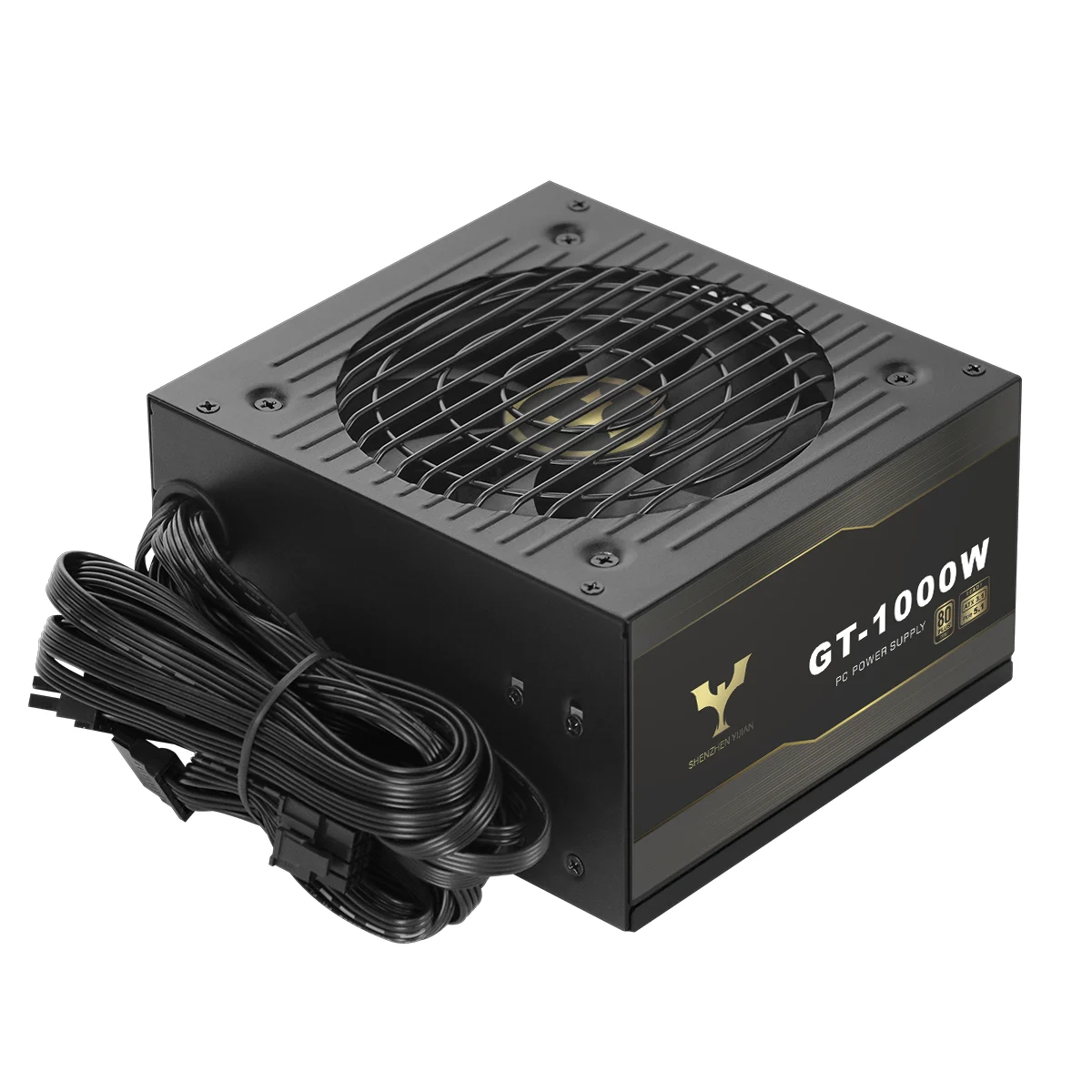
Decoding Core Realities: Why High-Efficiency ATX Power Supplies Drive Modern Computing
In the fast-paced ecosystem of high-performance computing, enterprise workstations, and custom gaming rigs, the ATX power supply unit functions as the literal heartbeat of the entire setup. Industry observations reveal a recurring pattern where premium hardware setups experience sudden reboots, voltage throttling, or unexpected shutdowns under heavy workloads. When troubleshooting these issues with professional diagnostic tools, the root cause frequently points back to an inefficient or improperly specified power supply. Because contemporary processors and graphics cards draw massive, rapid peak currents, selecting a high-efficiency ATX power supply goes far beyond simple wattage matching. It is a vital engineering decision that determines long-term hardware longevity, thermal safety, and uninterrupted operational stability. For global system builders, commercial buyers, and IT brands, mastering the technical details of high-efficiency power supplies is essential for maintaining brand reputation and minimizing after-sales support costs.
Understanding 80 PLUS Certifications and Real Energy Conversion
Evaluating any power supply begins with the internationally recognized 80 PLUS certification standard, which serves as the universal baseline for efficiency tiers ranging from Bronze and Silver to Gold, Platinum, and Titanium. These tiers indicate superior energy conversion rates, typically maintaining operational efficiencies between 85% and over 94% across varied load profiles. From a practical engineering standpoint, higher efficiency means significantly less electrical energy is lost and dissipated as waste heat inside the chassis. Semiconductor physics and thermal management guidelines demonstrate that a cooler-running power supply dramatically reduces thermal stress on critical internal components, such as high-temperature electrolytic capacitors and switching transistors. This temperature reduction extends the operational lifespan of the unit while lowering cumulative electricity costs for large-scale enterprise deployments and heavy-duty workstations over multi-year lifecycles.
Looking Beyond the Label: Evaluating Topology, Ripple Control, and Load Regulation
A high efficiency rating tells only part of the story; professional hardware evaluation requires a close look at internal circuit architectures and electrical performance metrics. Premium ATX power supplies rely on sophisticated topologies, including advanced LLC resonant converters, synchronous rectification, and DC-to-DC design layouts. These modern circuit designs ensure stable voltage delivery across primary 12V, 5V, and 3.3V power rails, even under extreme cross-loading conditions. Furthermore, strict ripple and noise suppression engineering keeps high-frequency output ripple well below industry safety limits, protecting sensitive motherboards, processors, and solid-state drives from micro-voltage spikes and electromagnetic interference. Laboratory testing consistently shows that tight voltage regulation—maintaining output rails within a strict tolerance window—is vital for preventing data corruption and hardware degradation during prolonged, high-intensity professional workloads like rendering and machine learning.
Preparing for Next-Gen Hardware: The Necessity of ATX 3.X and PCIe 5.X Compliance
As hardware pushes toward higher performance thresholds, the PC industry has transitioned rapidly toward Intel design guidelines and native PCIe standards. Modern graphics cards and parallel processing accelerators frequently generate rapid transient power spikes, often surging well beyond their rated power draw within microscopic time intervals. Traditional power supplies lacking modern compliance often misinterpret these explosive spikes as short circuits, triggering protection mechanisms and causing system crashes. Selecting a future-proof ATX power supply equipped with native connectors, such as the advanced 12V-2x6 interface, guarantees that the unit can seamlessly absorb dynamic loads without stuttering. For modern system builders and enterprise clients, ensuring this strict forward-compatibility is an indispensable safeguard against unexpected shutdowns and premature hardware obsolescence.
Manufacturing Excellence and Supply Chain Reliability for Global Brands
Ultimately, the theoretical specifications of an ATX power supply are only as reliable as the manufacturing ecosystem and quality assurance framework behind them. For global hardware distributors and system integrators seeking long-term market success, choosing the right production partner is a critical commercial decision. Exceptional manufacturing requires multi-layered quality control systems, including incoming material inspections, automated workflow guidance, comprehensive traceability tracking systems, and extensive burn-in testing across high-capacity production lines. Industry leaders like Yijian exemplify this standard through decades of dedicated power supply R&D expertise, ISO-certified facilities, extensive patent portfolios, and robust monthly manufacturing capacities. By combining rigorous automated testing with responsive customer support, reliable supply chain partners empower global hardware brands to deliver dependable, high-efficiency power solutions with absolute market confidence.
Addressing Common Procurement Misconceptions in Power Supply Sourcing
When international distributors and hardware brands evaluate power supply options for volume purchasing, common misconceptions often emerge regarding wattage branding versus actual electrical performance. Many emerging brands mistakenly assume that higher nominal wattage guarantees system stability, overlooking critical factors such as ambient operating temperature ratings, capacitor grade selection (such as high-grade Japanese capacitors), and over-temperature protection thresholds. Overcoming these pitfalls requires rigorous third-party validation, transparent technical documentation, and close collaboration with experienced manufacturing partners who possess deep domain knowledge in power electronics engineering. By prioritizing holistic electrical metrics and robust safety compliance over superficial marketing specifications, businesses can secure a distinct competitive advantage in the global hardware market.
Navigating the Global Market: Selecting Your Ideal ATX Power Supply Solution
As the global demand for energy-conscious, ultra-stable computer hardware reaches new heights, enterprise buyers and consumer brands must navigate an increasingly crowded marketplace filled with varying grades of power supply units. Making an informed procurement decision requires looking past marketing slogans and diving deep into verified compliance records, component sourcing transparency, and manufacturing capabilities. By partnering with established industry innovators who combine advanced technological research with strict adherence to international safety standards, businesses can successfully mitigate supply chain risks, reduce costly return rates, and deliver uncompromised computing power to end-users worldwide.
Table of Contents
- Decoding Core Realities: Why High-Efficiency ATX Power Supplies Drive Modern Computing
- Understanding 80 PLUS Certifications and Real Energy Conversion
- Looking Beyond the Label: Evaluating Topology, Ripple Control, and Load Regulation
- Preparing for Next-Gen Hardware: The Necessity of ATX 3.X and PCIe 5.X Compliance
- Manufacturing Excellence and Supply Chain Reliability for Global Brands
- Addressing Common Procurement Misconceptions in Power Supply Sourcing
- Navigating the Global Market: Selecting Your Ideal ATX Power Supply Solution