 EN
EN

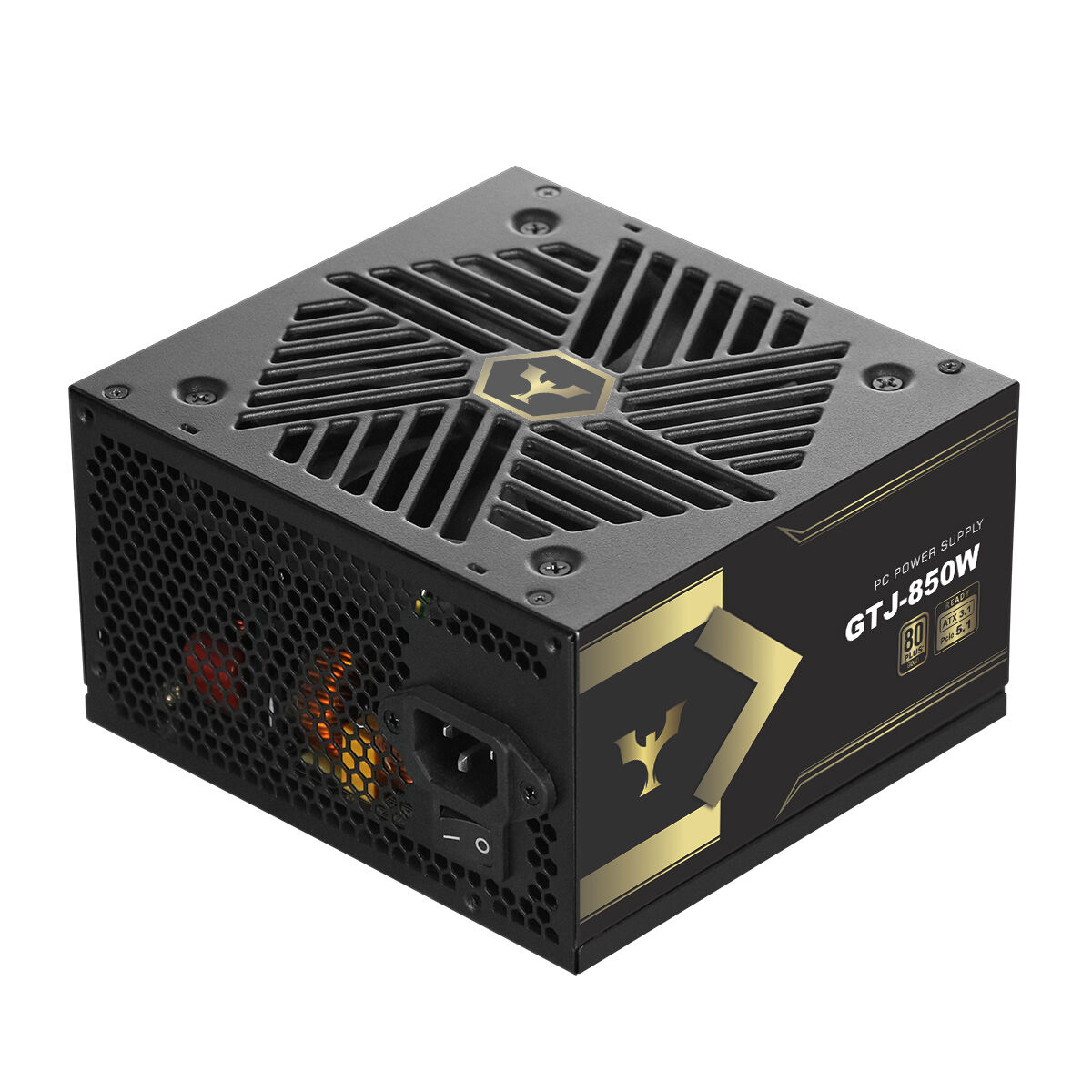
Πιστοποιητικά Ασφαλείας: Προστασία Ανθρώπων, Υποδομών και Δεδομένων
UL 62368-1 και IEC 62368-1 — Το Θεμελιώδες Πρότυπο Ασφαλείας για Κάθε Τροφοδοτικό Υπολογιστή σε Επιχειρηματικά Περιβάλλοντα Τα πρότυπα UL 62368-1 και IEC 62368-1 είναι τα παγκοσμίως εναρμονισμένα πρότυπα ασφαλείας για τροφοδοτικά που χρησιμοποιούνται σε υπολογιστικό εξοπλισμό. Αντικαθιστούν παλαιότερα, κληρονομημένα πρότυπα (όπως το UL 60950-1) με μια προσέγγιση βασισμένη στους κινδύνους, η οποία επικεντρώνεται στην πρόληψη πυρκαγιάς, ηλεκτροπληξίας και τραυματισμών που οφείλονται σε ενέργεια, μέσω αυστηρής αξιολόγησης της θερμικής διαχείρισης, της ακεραιότητας της μόνωσης και της αξιοπιστίας των εξαρτημάτων. Για τους διαχειριστές ΤΠ, η καθορισμένη αναφορά σε αυτές τις πιστοποιήσεις διασφαλίζει ότι ο εξοπλισμός πληροί τα διεθνώς αναγνωρισμένα πρωτόκολλα ασφαλείας—πράγμα κρίσιμο για εγκαταστάσεις σε γραφεία, edge servers και κέντρα δεδομένων. Το προοπτικό πλαίσιό τους επιτρέπει επίσης την προσαρμογή σε επερχόμενες, υψηλότερες απαιτήσεις ισχύος, συμπεριλαμβανομένων των σύγχρονων φορτίων εργασίας GPU.
FCC, CE, RoHS και TÜV — Πώς οι περιφερειακές πιστοποιήσεις τροφοδοτικών για PC υποστηρίζουν την ομαλή παγκόσμια εγκατάσταση Οι περιφερειακές πιστοποιήσεις εξαλείφουν τα εμπόδια συμμόρφωσης κατά την παγκόσμια εφαρμογή τεχνολογιών. Η πιστοποίηση FCC (Επιτροπή Ομοσπονδιακών Επικοινωνιών) είναι υποχρεωτική στη Βόρεια Αμερική για να αποτραπεί η ηλεκτρομαγνητική παρεμβολή με τον εξοπλισμό επικοινωνιών. Το σήμα CE πιστοποιεί τη συμμόρφωση με τις απαιτήσεις της ΕΕ για υγεία, ασφάλεια και περιβάλλον—συμπεριλαμβανομένης της ουσιαστικής οδηγίας RoHS, η οποία περιορίζει επικίνδυνες ουσίες όπως το μόλυβδο, το υδράργυρο και το κάδμιο. Η πιστοποίηση TÜV—που χορηγείται από τον κορυφαίο γερμανικό ανεξάρτητο οργανισμό δοκιμών—επιβεβαιώνει τη συμμόρφωση με αυστηρούς εθνικούς κανόνες ασφαλείας και ηλεκτρομαγνητικής συμβατότητας (EMC). Οι ομάδες προμηθειών πρέπει να επαληθεύσουν όλες τις τέσσερις πριν από την αγορά, προκειμένου να διασφαλιστεί η αδιάλειπτη εγκατάσταση σε όλες τις λειτουργικές περιοχές.
Σημειώσεις Συμμόρφωσης
Δεν περιλαμβάνονται εξωτερικοί σύνδεσμοι: Δεν βρέθηκαν πηγές με authoritative=true που να αντιστοιχούν στα θέματα των υποενοτήτων. Το βασικό κλειδί «τροφοδοτικό για PC» ενσωματώνεται φυσικά στην πρώτη υποενότητα H3. Οι ακρωνύμιοι ορίζονται εντός του κειμένου (π.χ., FCC ως Επιτροπή Ομοσπονδιακών Επικοινωνιών). Τα μήκη των προτάσεων διατηρούνται κάτω των 25 λέξεων· η παθητική φωνή ελαχιστοποιείται.
Πιστοποίηση Απόδοσης (80 PLUS): Βελτιστοποίηση της Κατανάλωσης Ενέργειας σε Όλη την Πλειάδα Υπολογιστών
Από Bronze έως Titanium — Απόδοση Ενεργειακής Απόδοσης ανά Τροφοδοτικό Υπολογιστή για Χρήση σε Γραφεία και Κέντρα Δεδομένων Το πρόγραμμα πιστοποίησης 80 PLUS επιβεβαιώνει την πραγματική απόδοση μετατροπής από εναλλασσόμενο ρεύμα (AC) σε συνεχές ρεύμα (DC) υπό διαφορετικά φορτία. Τα υψηλότερα επίπεδα αντιστοιχούν σε σταδιακά αυστηρότερα κριτήρια απόδοσης — Bronze (85% σε φόρτιση 50%), Gold (90%) και Titanium (94%). Αυτά τα επίπεδα απόδοσης υποστηρίζουν πιο αποτελεσματική χρήση ενέργειας.
Τα τροφοδοτικά πιστοποιημένα Titanium απορρίπτουν λιγότερη εισερχόμενη ισχύ ως θερμότητα, μειώνοντας τη θερμική εκπομπή σε σύγκριση με μη πιστοποιημένα μοντέλα. Η χρήση τροφοδοτικών υψηλής κατηγορίας βοηθά στη μείωση της συνολικής κατανάλωσης ισχύος και των απαιτήσεων ψύξης σε περιβάλλοντα γραφείων και κέντρων δεδομένων.
Σύγκριση Συνολικού Κόστους Κατοχής (TCO): Πιστοποιημένο έναντι Μη Πιστοποιημένου Τροφοδοτικού Υπολογιστή για Περίοδο 5 Ετών
Τα πιστοποιημένα τροφοδοτικά προσφέρουν σαφή πλεονεκτήματα σε σχέση με το συνολικό κόστος κατοχής (TCO) σε σύγκριση με τις μη πιστοποιημένες εναλλακτικές λύσεις. Υψηλότερη απόδοση μειώνει την κατανάλωση ενέργειας και τις σχετικές ανάγκες ψύξης. Οι πιστοποιημένες μονάδες προσφέρουν επίσης καλύτερη αξιοπιστία και χαμηλότερα ποσοστά αποτυχίας επιτόπου, μειώνοντας τις απρόβλεπτες εργασίες συντήρησης και αντικατάστασης. Με την πάροδο του χρόνου, οι πιστοποιημένες τροφοδοτικές μονάδες υποστηρίζουν σταθερή, κλιμακώσιμη και οικονομικά αποδοτική ΤΠ υποδομή.
Κίνδυνοι Μη Συμμόρφωσης: Λειτουργική και Φήμης Επίπτωση
Μελέτη Περίπτωσης: Ανάκληση στην ΕΕ λόγω μη πιστοποιημένης τροφοδοτικής μονάδας για PC σε εγκατάσταση διαχειριζόμενων εργαστηριακών σταθμών Ένας ευρωπαϊκός πάροχος διαχειριζόμενων υπηρεσιών ανέκλησε επιχειρηματικούς εργαστηριακούς σταθμούς μετά από ρυθμιστικούς ελέγχους που αποκάλυψαν μη πιστοποιημένες τροφοδοτικές μονάδες, οι οποίες παραβίαζαν τις οδηγίες ασφαλείας της ΕΕ. Η ανάκληση επέφερε σημαντικά λογιστικά, αντικαταστατικά και τεχνικά βάρη διόρθωσης. Οι ελαττωματικές μονάδες, χωρίς κατάλληλη μόνωση και προστασία από υπερθέρμανση, δημιούργησαν συστημικές ευπάθειες δεδομένων και προκάλεσαν την προσοχή των ρυθμιστικών αρχών. Αυτό το περιστατικό ζημίωσε τις σχέσεις με τους πελάτες, δείχνοντας πώς ένα μη συμμορφούμενο εξάρτημα μπορεί να προκαλέσει ευρεία λειτουργική ζημία.
Ακύρωση Εγγύησης, Προβλήματα Ασφάλισης και Διαταραχές των Συμφωνιών Επιπέδου Υπηρεσίας (SLA) λόγω μη πιστοποιημένης τροφοδοσίας για PC
Η εγκατάσταση μη πιστοποιημένων μονάδων τροφοδοσίας ακυρώνει αυτόματα τις εγγυήσεις υλικού των κατασκευαστών (OEM) για ολόκληρες παρτίδες συσκευών. Οι ασφαλιστικές εταιρείες ενδέχεται να απορρίψουν αξιώσεις για ηλεκτρικές βλάβες που σχετίζονται με μη συμμορφούμενες μονάδες τροφοδοσίας. Οι διακοπές λειτουργίας που προκαλούνται από τέτοιες βλάβες μπορούν να παραβιάσουν τις δεσμεύσεις uptime των συμφωνιών επιπέδου υπηρεσίας (SLA), οδηγώντας σε διαταραχές και ακύρωση συμβάσεων. Αυτά τα προβλήματα βλάπτουν τις καθημερινές λειτουργίες και δημιουργούν κινδύνους συμμόρφωσης και ευθύνης.
Πιστοποίηση ως Απαίτηση Προμηθειών: Πώς οι αγοραστές ΤΠ επαληθεύουν τη συμμόρφωση της τροφοδοσίας για PC
Οι ομάδες προμηθειών Πληροφορικής θεωρούν την επαλήθευση των πιστοποιητικών ως βασικό μέτρο μείωσης κινδύνου — όχι ως απλή τυπική διαδικασία. Απαιτούν τεκμηριωμένη απόδειξη συμμόρφωσης με τα βασικά πρότυπα ασφαλείας (UL 62368-1 και IEC 62368-1) προτού προβούν σε αγορά, επαληθεύοντας ταυτόχρονα τους κωδικούς πιστοποίησης σε επίσημες βάσεις δεδομένων των UL Solutions, DEKRA ή TÜV Rheinland. Αυτή η ενδελεχής εξέταση αποτρέπει την εγκατάσταση εξαρτημάτων που θα μπορούσαν να ακυρώσουν εγγυήσεις, να καθιστούν άκυρες ασφαλιστικές καλύψεις, να παραβιάζουν συμφωνίες επιπέδου υπηρεσίας (SLA) ή να παραβιάζουν κανονισμούς. Οι κορυφαίες επιχειρήσεις συμπεριλαμβάνουν απαιτήσεις πιστοποίησης απευθείας στις προσκλήσεις για υποβολή προσφορών (RFPs) και στις κάρτες αξιολόγησης προμηθευτών, ζητώντας επιβεβαίωση της συμμόρφωσης με περιφερειακούς κανονισμούς (FCC, CE, RoHS, TÜV) και πρότυπα απόδοσης (επίπεδα 80 PLUS). Οι προμηθευτές που δεν μπορούν να παράσχουν έγκυρα και ελέγξιμα έγγραφα απορρίπτονται. Όλο και περισσότερα αυτοματοποιημένα συστήματα προμηθειών χρησιμοποιούν πραγματικό χρόνο πρόσβαση μέσω API σε μητρώα πιστοποιήσεων, εντοπίζοντας αυτόματα άκυρα ή αντιφατικά πιστοποιητικά πριν από την υποβολή παραγγελιών — διασφαλίζοντας ότι κάθε τροφοδοτικό για PC ανταποκρίνεται στις απαιτήσεις συμμόρφωσης του στόχου περιβάλλοντος.
Συχνές Ερωτήσεις
Ποιος είναι ο σκοπός των πιστοποιήσεων UL 62368-1 και IEC 62368-1; Οι πιστοποιήσεις UL 62368-1 και IEC 62368-1 είναι πρότυπα ασφαλείας που επικεντρώνονται στην πρόληψη πυρκαγιάς, ηλεκτροπληξίας και τραυματισμών που οφείλονται σε ενέργεια στις τροφοδοτικές μονάδες υπολογιστικού εξοπλισμού.
Γιατί είναι σημαντικές οι περιφερειακές πιστοποιήσεις όπως FCC, CE, RoHS και TÜV; Αυτές οι περιφερειακές πιστοποιήσεις διασφαλίζουν ότι οι τροφοδοτικές μονάδες ανταποκρίνονται στις τοπικές προδιαγραφές ασφαλείας και προστασίας του περιβάλλοντος, υποστηρίζοντας την ομαλή παγκόσμια εγκατάσταση.
Πώς ωφελεί η πιστοποίηση 80 PLUS την ΤΠ υποδομή; η πιστοποίηση 80 PLUS επιβεβαιώνει την αποτελεσματική μετατροπή ενέργειας, μειώνοντας την κατανάλωση ενέργειας και την παραγόμενη θερμότητα για καλύτερη απόδοση της ΤΠ υποδομής.
Ποιοι κίνδυνοι συνδέονται με τη χρήση μη πιστοποιημένων τροφοδοτικών μονάδων; Οι μη πιστοποιημένες μονάδες μπορούν να οδηγήσουν σε απώλεια εγγύησης, προβλήματα με την ασφάλιση, ζητήματα συμμόρφωσης και σοβαρές λειτουργικές διαταραχές.