 EN
EN

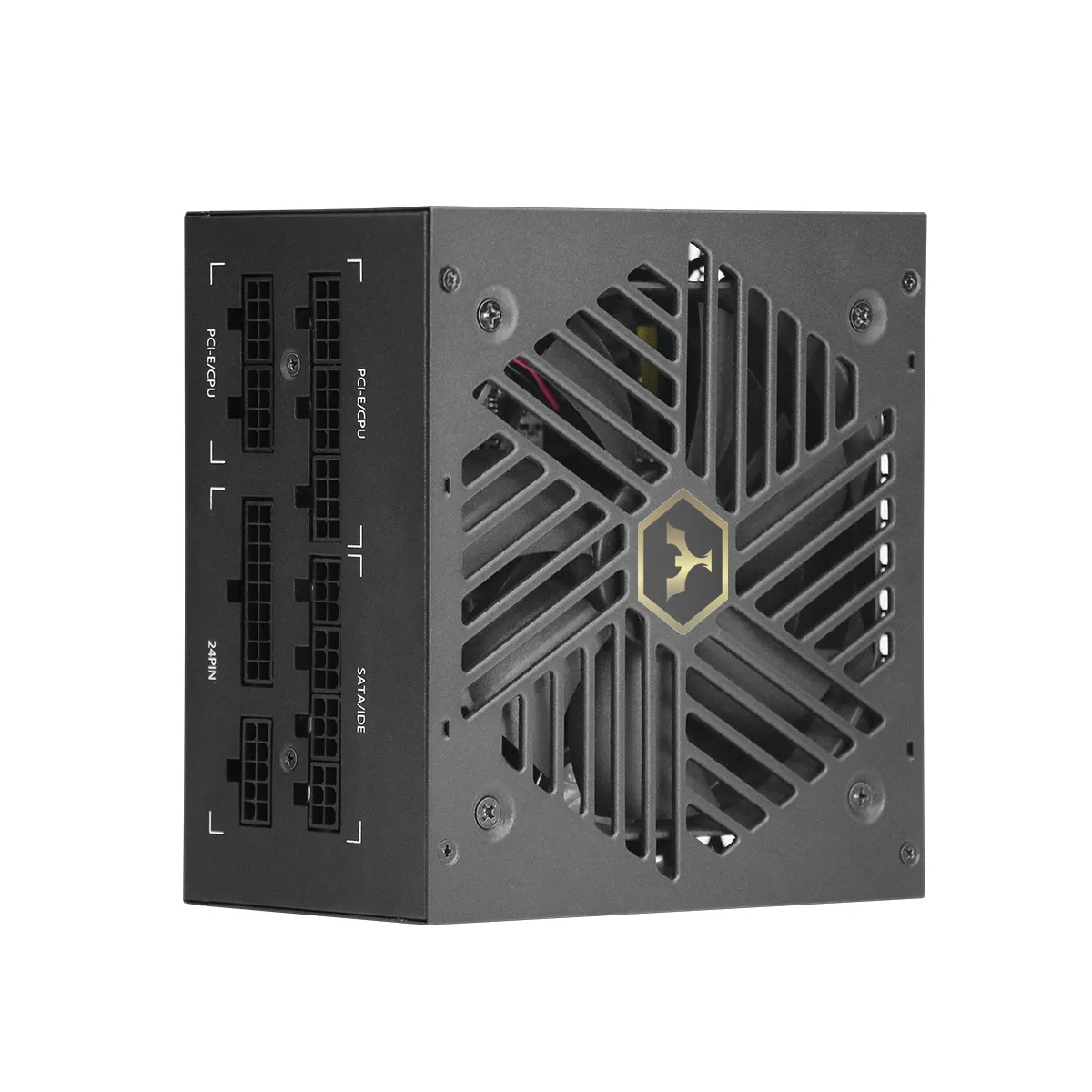
Το Πλαίσιο Αξιοπιστίας Πέντε Αξόνων για την Επικύρωση Μονάδας Τροφοδοσίας
Γιατί οι Δοκιμές Τυπικής Λειτουργικότητας Αποτυγχάνουν να Προβλέψουν τη Μακροπρόθεσμη Αξιοπιστία της Μονάδας Τροφοδοσίας
Οι βασικοί έλεγχοι ενεργοποίησης και τάσης επιβεβαιώνουν την άμεση λειτουργία, αλλά παραβλέπουν κρίσιμα διανύσματα αποτυχίας, όπως η γήρανση των πυκνωτών και η εκφυλιστική απόκριση σε μεταβατικά φαινόμενα. Στοιχεία της βιομηχανίας αποκαλύπτουν ότι το 68% των πρόωρων αποτυχιών των μονάδων τροφοδοσίας οφείλεται σε προβλήματα που δεν ανιχνεύονται στους τυπικούς κύκλους επικύρωσης διάρκειας 15 λεπτών (Electronics Reliability Journal, 2023). Αυτές οι δοκιμές παραλείπουν συστηματικά:
- Γήρανση ηλεκτρολυτικών πυκνωτών υπό συνεχή θερμική καταπόνηση
- Διαφυγή τάσης κατά τη διάρκεια παρατεταμένης φόρτισης >90%
- Κόπωση των κυκλωμάτων προστασίας μετά από επαναλαμβανόμενες ενεργοποιήσεις λόγω βλαβών
Σταθερότητα Τάσης, Ρύθμιση Φόρτου, Καταστολή Κυματισμού, Ακεραιότητα Προστασίας και Ανθεκτικότητα σε Καταπονήσεις – Εξήγηση
Αυτό το πλαίσιο αξιολογεί πέντε αλληλεξαρτώμενες διαστάσεις:
| Άξονας | Κρίσιμο μέγεθος | ΒΙΟΡΕΗΣ ΒΙΩΜΑ |
|---|---|---|
| Σταθερότητα τάσης | απόκλιση ≤1% σε πλήρες φορτίο | Προδιαγραφή Intel ATX 3.0 |
| Ρυθμισμός φορτίου | ±3% σε εύρος φόρτισης 10–110% | IEC 62301 |
| Καταστολή κυματισμού | <50 mV PARD (Περιοδική και Τυχαία Απόκλιση) | MIL-STD-461F |
| Ακεραιότητα Προστασίας | Χρόνος αντίδρασης OCP/OVP ≤20 ms | UL 60950-1 |
| Ανθεκτικότητα σε Καταπόνηση | ποσοστό επιβίωσης μετά από 72 ώρες λειτουργίας υπό φόρτωσης | Telcordia SR-332 |
Η καταπολέμηση της κυματοειδούς διαταραχής συσχετίζεται άμεσα με τη διάρκεια ζωής του πυκνωτή—ο θόρυβος υψηλής συχνότητας πάνω από 100 mV επιταχύνει την εξάτμιση του ηλεκτρολύτη κατά 40% (IEEE Transactions on Power Electronics, 2022).
Μελέτη περίπτωσης: Τρόποι αποτυχίας της Μονάδας Τροφοδοσίας Ισχύος 80 PLUS Titanium αποκαλύφθηκαν μόνο μετά από 72-ώρες λειτουργίας υπό φόρτωση + δοκιμή διαβίβασης φόρτου μεταβλητής φόρτισης
Μία πιστοποιημένη μονάδα 80 PLUS Titanium πέρασε όλες τις τυπικές δοκιμές πιστοποίησης, αλλά απέτυχε κατά τη διάρκεια εκτεταμένης δοκιμής μεταβλητής φόρτισης. Μετά από 60 ώρες λειτουργίας σε ισχύ 105% με κορυφές φόρτου διάρκειας 5 ms:
- η κυματοειδής διαταραχή στη γραμμή +12 V ανήλθε σε 120 mV (έναντι αρχικών 25 mV)
- Η προστασία από υπερένταση (OCP) καθυστέρησε κατά 32 ms
- Η θερμοκρασία του κύριου πυκνωτή έφτασε τους 98 °C
Αυτό το σενάριο θερμικής απώλειας ελέγχου—ανιχνεύσιμο μόνο με ειδικές δοκιμές και όχι με τις τυπικές διαδικασίες πιστοποίησης—μείωσε τον μέσο χρόνο μεταξύ αποτυχιών (MTBF) κατά 30.000 ώρες. Οι δοκιμές μεταβλητής φόρτισης αποκάλυψαν επίσης υπερβολικές αιχμές τάσης που υπερέβαιναν τα 12,5 V κατά την αιφνίδια αύξηση της κατανάλωσης ισχύος από την GPU, επιβεβαιώνοντας την αναγκαιότητα πολυαξονικής επικύρωσης.
Δοκιμή Δυναμικής Ρύθμισης Τάσης και Απόκρισης σε Μεταβατικά Φαινόμενα
Ρύθμιση Γραμμής και Φορτίου: Επαλήθευση ακρίβειας εξόδου ±5% σε εύρος φορτίου της μονάδας τροφοδοσίας 10–110%
Η επαλήθευση της σταθερότητας της τάσης απαιτεί ενδελεχή δοκιμή ρύθμισης γραμμής και φορτίου. Η ρύθμιση γραμμής επιβεβαιώνει ότι η έξοδος παραμένει εντός ±5% της ονομαστικής τάσης παρά τις διακυμάνσεις της εισόδου AC ±10%. Η ρύθμιση φορτίου επαληθεύει ότι αυτή η ανοχή διατηρείται σε ολόκληρο το λειτουργικό εύρος φορτίου 10–110% — από καταστάσεις αδράνειας μέχρι ακραίες υπερφορτώσεις. Οι κορυφαίοι κατασκευαστές επιτυγχάνουν αυτή την ακρίβεια μέσω πολυσταδιακού ελέγχου με ανάδραση και σύγχρονης ορθοανόρθωσης· αποκλίσεις που υπερβαίνουν το 2% συχνά υποδηλώνουν πρόωρη φθορά συστατικών. Οι μονάδες που διατηρούν μεταβολή <1,5% κατά τις μεταβάσεις φορτίου παρουσιάζουν διάρκεια ζωής 40% μεγαλύτερη από εκείνες που βρίσκονται στα όρια της συμμόρφωσης (Electronics Reliability Journal 2023).
Ανάλυση μεταβατικής ανάκαμψης υπο-100 µs με χρήση προγραμματιζόμενου φορτίου και ηλεκτρονικού παλμογράφου
Οι σύγχρονοι υπολογισμοί απαιτούν ανάκαμψη από μεταβατικά φαινόμενα σε χρόνο μικρότερο των 100 µs, όταν οι φορτίσεις της GPU/CPUs αυξάνονται ακαριαία. Τα πρωτόκολλα δοκιμής προσομοιώνουν αυτή τη συνθήκη χρησιμοποιώντας προγραμματιζόμενα ηλεκτρονικά φορτία για τη δημιουργία βηματικών αλλαγών 50–90%, ενώ οι παλμογράφοι καταγράφουν τα κύματα απόκρισης. Η απόδοση εξαρτάται από την επιλογή των ηλεκτρολυτικών πυκνωτών μεγάλης χωρητικότητας και των αλγορίθμων του ελεγκτή· οι μονάδες που ανακάμπτουν εντός 50 µs παρουσιάζουν 70% χαμηλότερο ποσοστό αποτυχιών κατά τις συνθήκες υποτονικής τάσης (brownout). Κρίσιμες μετρήσεις περιλαμβάνουν το πλάτος της υπερύψωσης (πρέπει να παραμένει <7% της ονομαστικής τάσης) και τον χρόνο σταθεροποίησης, ενώ η προδιαγραφή IEC 61000-4-34 καθορίζει κατώφλια <100 µs για συστήματα επιχειρηματικού επιπέδου.
Ο θόρυβος, η κυματοειδής μεταβολή (ripple) και η PARD ως πρώιμοι δείκτες υποβάθμισης της μονάδας τροφοδοσίας
Πώς η PARD υψηλής συχνότητας συσχετίζεται με τη γήρανση των ηλεκτρολυτικών πυκνωτών και τη μειωμένη μέση διάρκεια ζωής μέχρι αποτυχία (MTBF)
Περιοδική και Τυχαία Απόκλιση (PARD)—που περιλαμβάνει υψηλής συχνότητας ηλεκτρική ταλάντωση (ripple) και θόρυβο—αποτελεί έναν πρωτοπόρο δείκτη της κατάστασης υγείας της τροφοδοτικής μονάδας (PSU). Το πλάτος της PARD υψηλής συχνότητας συσχετίζεται απευθείας με την εξασθένιση των ηλεκτρολυτικών πυκνωτών, η οποία αποτελεί το κυρίαρχο μηχανισμό αστοχίας σε βιομηχανικά περιβάλλοντα. Καθώς οι πυκνωτές γερνούν υπό θερμική καταπόνηση, η ισοδύναμη σειριακή αντίσταση (ESR) αυξάνεται, μειώνοντας την ικανότητά τους να φιλτράρουν τον θόρυβο από τη διακοπτική λειτουργία. Αυτό εκδηλώνεται ως αυξανόμενη ταλάντωση υψηλής συχνότητας (>100 kHz), την οποία οι συνήθεις δοκιμές συνεχούς ρεύματος (DC) παραβλέπουν συστηματικά. Οι μονάδες που παρουσιάζουν PARD υψηλής συχνότητας μεγαλύτερη των 50 mVp-p υφίστανται 40% ταχύτερη απώλεια χωρητικότητας, επιταχύνοντας τη μείωση του μέσου χρόνου μεταξύ αστοχιών (MTBF). Η συνεχής παρακολούθηση εντοπίζει αυτές τις μεταβολές πριν η συνολική χωρητικότητα πέσει κάτω από κρίσιμα όρια, επιτρέποντας προληπτική αντικατάσταση. Οι ασθενούντες πυκνωτές ενισχύουν περαιτέρω την αστάθεια που προκαλείται από την ταλάντωση, με αποτέλεσμα ενδεχομένως να προκαλέσουν επανεκκινήσεις του συστήματος ή ζημιά σε εξαρτήματα του κατώτερου κλάδου. Η ποσοτικοποίηση της PARD σε πρώιμο στάδιο επιτρέπει την πρόβλεψη του τέλους της χρήσιμης ζωής με ακρίβεια 89%, σύμφωνα με επαληθευμένα μοντέλα αξιοπιστίας.
Επαλήθευση ολοκληρωμένου μηχανισμού προστασίας για την ανθεκτικότητα της μονάδας τροφοδοσίας
Δοκιμές OCP, SCP, OPP, OVP και Brownout/Hold-Up: Μέτρηση συνέπειας και επαναληψιμότητας των χρονικών διαστημάτων
Οι ανθεκτικές μονάδες τροφοδοσίας (PSUs) περιλαμβάνουν κρίσιμα μέτρα προστασίας—συμπεριλαμβανομένης της προστασίας από υπερένταση (OCP), προστασίας από βραχυκύκλωμα (SCP), προστασίας από υπερισχύ (OPP), προστασίας από υπερτάση (OVP) και κυκλωμάτων brownout/hold-up—για να αποτρέψουν καταστροφικές αστοχίες. Οι μηχανισμοί αυτοί πρέπει να ενεργοποιούνται εντός ακριβών χρονικών παραθύρων: η OVP ενεργοποιείται συνήθως εντός ≤1 ms για να αποκόψει τις κορυφές τάσης προτού προκληθεί ζημιά στα εξαρτήματα. Οι δοκιμές περιλαμβάνουν την προσομοίωση συνθηκών βλάβης μέσω προγραμματιζόμενων φορτίων, ενώ η καθυστέρηση ανταπόκρισης μετράται με ηλεκτρονικά οργανα (oscilloscopes) σε περισσότερους από 100 κύκλους. Η συνέπεια είναι απαραίτητη· επαναλαμβανόμενες καθυστερήσεις πέραν των προδιαγραφών υποδηλώνουν γήρανση πυκνωτών ή ελαττώματα στο σχεδιασμό. Η επικύρωση του hold-up επιβεβαιώνει ότι η διατήρηση της εξόδου παραμένει εντός του ελάχιστου ορίου των 16 ms, όπως προβλέπεται από το πρότυπο ATX, κατά τη διάρκεια brownouts. Η μη επαλήθευση των κατωφλίων ενεργοποίησης και η επαναληψιμότητα του χρονισμού· τα συστήματα προστασίας μπορεί να παρέχουν ψευδή αίσθηση ασφάλειας υπό πραγματικές συνθήκες καταπόνησης.
Απόδοση, διαδικασία ενσωμάτωσης (Burn-In) και πρωτόκολλα μεταβλητότητας φορτίου σε πραγματικές συνθήκες
Επικύρωση απόδοσης ENERGY STAR 8.0 και 80 PLUS σε φορτία της μονάδας τροφοδοσίας ισχύος 20 %, 50 % και 100 %
Η πιστοποίηση σύμφωνα με τα πρότυπα ENERGY STAR 8.0 και 80 PLUS απαιτεί επαλήθευση της απόδοσης σε πολλαπλά σημεία, σε φορτία 20%, 50% και 100%, προκειμένου να αντικατοπτρίζει την πραγματική ποικιλομορφία λειτουργίας. Οι δοκιμές μερικού φορτίου (20%) αποκαλύπτουν ανεπάρκειες κατά τις καταστάσεις αδράνειας, ενώ η επαλήθευση στο 50% αντικατοπτρίζει την τυπική χρήση εργαστηριακού σταθμού—πράγμα κρίσιμο, δεδομένου ότι οι περισσότερες τροφοδοτικές μονάδες λειτουργούν κάτω από τη μέγιστη ισχύ τους. Οι δοκιμές υπερφόρτωσης (100%) επιβεβαιώνουν τη θερμική σταθερότητα υπό μέγιστη ζήτηση. Τα πρωτόκολλα «burn-in» εφαρμόζουν συνεχή θερμική κύκλωση και διακυμάνσεις της εισερχόμενης τάσης κατά ±15% για περισσότερο από 72 ώρες, προκειμένου να επιταχυνθεί η γήρανση των πυκνωτών και να εντοπιστούν πρόωρες αποδιοργανώσεις. Οι κατασκευαστές συμπληρώνουν τις στατικές δοκιμές με δυναμικές ακολουθίες φορτίου—δηλαδή με γρήγορες εναλλαγές μεταξύ 10% και 110% φορτίου—προκειμένου να επαληθευθεί η απόκριση σε μεταβατικές καταστάσεις και η καταστολή των κυματισμών υπό πραγματικές συνθήκες χρήσης. Αποδόσεις κάτω του 90% σε φορτίο 50% υποδηλώνουν μη βέλτιστο σχεδιασμό του μετασχηματιστή ή απώλειες στις διόδους, γεγονός που επηρεάζει άμεσα το κόστος ενέργειας κατά τη διάρκεια ζωής της συσκευής.
Τμήμα Γενικών Ερωτήσεων
Τι είναι το Πλαίσιο Αξιοπιστίας Πέντε Αξόνων;
Το Πλαίσιο Αξιοπιστίας Πέντε Αξόνων είναι μια συστηματική προσέγγιση για την επικύρωση μονάδων τροφοδοσίας, με έμφαση στη σταθερότητα της τάσης, τη ρύθμιση φορτίου, την καταστολή ταλαντώσεων, την ακεραιότητα των κυκλωμάτων προστασίας και την αντοχή σε καταπονήσεις.
Γιατί οι τυπικές δοκιμές λειτουργικότητας είναι ανεπαρκείς για την επικύρωση των μονάδων τροφοδοσίας;
Οι τυπικές δοκιμές λειτουργικότητας συχνά παραβλέπουν κρίσιμα προβλήματα όπως η φθορά των πυκνωτών, η παρέκκλιση της τάσης και η κόπωση των κυκλωμάτων προστασίας, αποτυγχάνοντας να προβλέψουν αποτελεσματικά τη μακροπρόθεσμη αξιοπιστία.
Πώς επηρεάζει η PARD τη διάρκεια ζωής της μονάδας τροφοδοσίας;
Η υψηλής συχνότητας PARD συσχετίζεται άμεσα με τη γήρανση των ηλεκτρολυτικών πυκνωτών, οδηγώντας σε επιταχυνόμενη μείωση του MTBF.
Τι είναι η δοκιμή απόκρισης σε μεταβατικά φαινόμενα;
Η δοκιμή απόκρισης σε μεταβατικά φαινόμενα μετρά την ταχύτητα με την οποία μια μονάδα τροφοδοσίας ανακτά τη σταθερότητά της μετά από αιφνίδιες αυξήσεις φορτίου, κάτι κρίσιμο για τις απαιτήσεις των σύγχρονων υπολογιστικών συστημάτων.
Περιεχόμενα
-
Το Πλαίσιο Αξιοπιστίας Πέντε Αξόνων για την Επικύρωση Μονάδας Τροφοδοσίας
- Γιατί οι Δοκιμές Τυπικής Λειτουργικότητας Αποτυγχάνουν να Προβλέψουν τη Μακροπρόθεσμη Αξιοπιστία της Μονάδας Τροφοδοσίας
- Σταθερότητα Τάσης, Ρύθμιση Φόρτου, Καταστολή Κυματισμού, Ακεραιότητα Προστασίας και Ανθεκτικότητα σε Καταπονήσεις – Εξήγηση
- Μελέτη περίπτωσης: Τρόποι αποτυχίας της Μονάδας Τροφοδοσίας Ισχύος 80 PLUS Titanium αποκαλύφθηκαν μόνο μετά από 72-ώρες λειτουργίας υπό φόρτωση + δοκιμή διαβίβασης φόρτου μεταβλητής φόρτισης
- Δοκιμή Δυναμικής Ρύθμισης Τάσης και Απόκρισης σε Μεταβατικά Φαινόμενα
- Ο θόρυβος, η κυματοειδής μεταβολή (ripple) και η PARD ως πρώιμοι δείκτες υποβάθμισης της μονάδας τροφοδοσίας
- Επαλήθευση ολοκληρωμένου μηχανισμού προστασίας για την ανθεκτικότητα της μονάδας τροφοδοσίας
- Απόδοση, διαδικασία ενσωμάτωσης (Burn-In) και πρωτόκολλα μεταβλητότητας φορτίου σε πραγματικές συνθήκες
- Τμήμα Γενικών Ερωτήσεων