 EN
EN

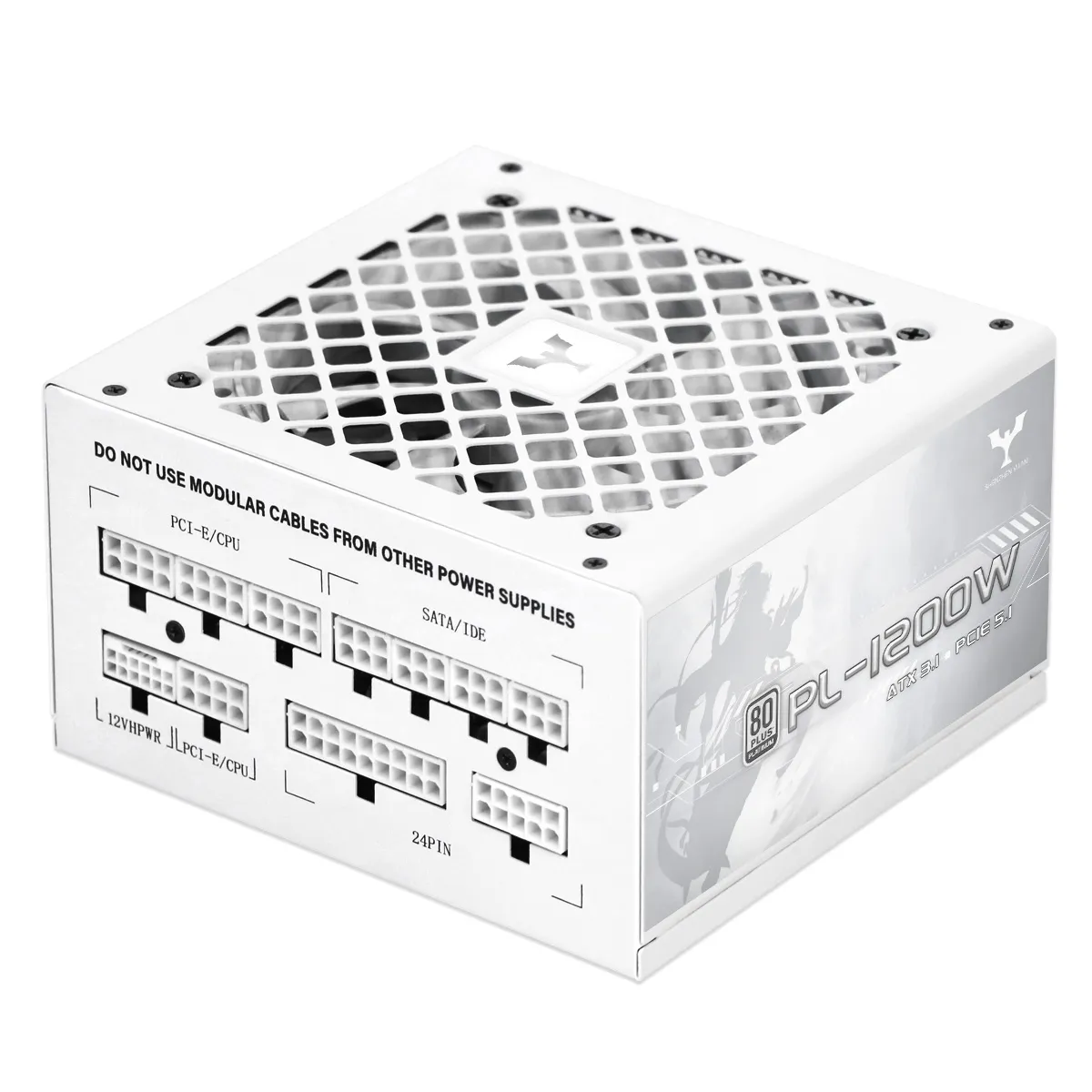
Γιατί αποτυγχάνουν οι τυπικές δοκιμές τροφοδοτικών — Κατανόηση των πραγματικών ελλείψεων ποιότητας
Το μύθος της δοκιμής με το γραφείο: Γιατί δεν αποκαλύπτει τίποτα για τη σταθερότητα της τάσης ή την προστασία
Η διαδεδομένη «δοκιμή με το γραφείο» — δηλαδή η σύνδεση (jumping) του 24-pin συνδέσμου ATX για την επαλήθευση της βασικής λειτουργίας ενεργοποίησης — επιβεβαιώνει μόνο ότι ένα τροφοδοτικό μπορεί να ξεκινήσει. Δεν προσφέρει καθόλου πληροφορίες για τη σταθερότητα της τάσης υπό πραγματικό φορτίο, την απόκριση σε μεταβατικά φαινόμενα κατά τις αιφνίδιες αυξήσεις ισχύος της CPU/κάρτας γραφικών ή την ακεραιότητα κρίσιμων μέτρων ασφαλείας, όπως η προστασία από υπερτάση (OVP). Μια μελέτη του TechInsights του 2023 αποκάλυψε ότι το 68% των τροφοδοτικών που πέρασαν αυτόν τον αρχικό έλεγχο παρουσίαζαν απόκλιση τάσης >5% σε φορτίο 50% — πολύ πέρα από τη σύσταση του ATX 2.53 για ±3% σε σταθερή λειτουργία, κάτι που είναι επαρκές για να επιταχύνει τη φθορά των εξαρτημάτων ή να προκαλέσει αστάθεια. Οι πραγματικές αποτυχίες οφείλονται σε δύο θεμελιώδεις παραλείψεις:
- Καμία ανάλυση ταλαντώσεων ανεξέλεγκτος θόρυβος εναλλασσόμενου ρεύματος (AC) που υπερβαίνει τα 50 mV στη γραμμή 12 V επιταχύνει την γήρανση ηλεκτρολυτικών πυκνωτών και αυξάνει τον κίνδυνο μακροπρόθεσμης αποτυχίας.
- Δεν υπάρχει επαλήθευση προστασίας μονάδες με μη λειτουργική προστασία από βραχυκύκλωμα (SCP) μπορούν να παρέχουν ακανόνιστο ρεύμα κατά τη διάρκεια βλαβών—με δυνατότητα καταστροφής μητρικών πλακών, GPU ή ελεγκτών αποθηκευτικών συσκευών.
Πλαίσιο πέντε διαστάσεων: Ρύθμιση φορτίου, απόδοση, θόρυβος/ριππλ (ripple), απόκριση σε μεταβατικά φαινόμενα και προστασίες ασφαλείας
Η εκτενής αξιολόγηση τροφοδοτικού (PSU) πρέπει να υπερβαίνει τη συμμόρφωση με το πρότυπο ATX και να αξιολογεί πέντε αλληλεξαρτώμενες διαστάσεις απόδοσης:
| Παράμετρος | Επίπτωση Βλάβης | Σταθμός σύγκρισης |
|---|---|---|
| Ρυθμισμός φορτίου | Περιορισμός ταχύτητας CPU, διαστρέβλωση δεδομένων | απόκλιση ≤±3% (ATX 2.53) |
| Αποτελεσματικότητα | Θερμική τάση, υψηλότερο συνολικό κόστος κατοχής (TCO) | >89% σε φορτίο 50% (80+ Gold) |
| Θόρυβος/Ριππλ (Ripple/Noise) | Σφάλματα GPU, σφάλματα SSD | <50 mV κορυφής (ράγα 12 V) |
| Απόκριση Παρατρέξεων | Αποτυχία του συστήματος κατά τη διάρκεια αιχμών φόρτισης | Ανάκαμψη <100 µs |
| Προστασίες ασφαλείας | Καταστροφή υλικού κατά τη διάρκεια βλαβών | Ενεργοποίηση OVP/ UVP/ OCP/ OPP/ SCP |
Για παράδειγμα, μια μονάδα με κακή απόκριση σε μεταβατικά φαινόμενα ενδέχεται να φαίνεται σταθερή κατά την κατάσταση αδράνειας ή σε δοκιμές μόνιμης κατάστασης, αλλά να παρουσιάζει επανειλημμένες αποτυχίες κατά τη διάρκεια παιχνιδιού—αποκαλύπτοντας ένα κενό στο σχεδιασμό που δεν μπορεί να εντοπιστεί από βασικές πιστοποιήσεις. Οι κορυφαίες ανεξάρτητες εργαστηριακές μονάδες χρησιμοποιούν προγραμματιζόμενα DC φορτία για την προσομοίωση δυναμικών φορτίων, αποκαλύπτοντας λειτουργικές ελλείψεις στο 42 % των μονάδων εισόδου (HardwareLabs 2023).
Δοκιμές ρύθμισης τάσης και κυματισμού για τη σταθερότητα τροφοδοτικού ηλεκτρονικού υπολογιστή
Μέτρηση της ακρίβειας της εξόδου και της ρύθμισης φόρτισης/γραμμής σύμφωνα με τις προδιαγραφές ATX 2.53
Η ρύθμιση της τάσης δεν είναι στατική—πρέπει να διατηρείται υπό γρήγορα μεταβαλλόμενες συνθήκες. Η προδιαγραφή ATX 2.53 καθορίζει ανοχή ±5% σε όλους τους κύριους αγωγούς (12 V, 5 V, 3,3 V) κατά τη μετάβαση φόρτισης από 10% έως 110%, αλλά οι υψηλής ποιότητας τροφοδοτικά επιτυγχάνουν απόκλιση ≤±1% σε φόρτιση 50%—το πιο συνηθισμένο σημείο λειτουργίας για σύγχρονα μεσαία έως υψηλής κατηγορίας συστήματα. Για ακριβή αξιολόγηση απαιτούνται προγραμματιζόμενα DC φορτία προκειμένου να μετρηθούν τόσο ρυθμισμός φορτίου (η πτώση τάσης κατά τις αιφνίδιες αυξήσεις ρεύματος) όσο και ρύθμιση γραμμής (η σταθερότητα υπό διακυμάνσεις της εισερχόμενης εναλλασσόμενης τάσης). Οι δοκιμές στο εργαστήριο πρέπει να αναπαράγουν τα χειρότερα σενάρια: ταυτόχρονη ενίσχυση της CPU και αιφνίδιες αυξήσεις φόρτισης της GPU κατά την απόδοση καρέ. Αυτές οι καταπονήσεις αποκαλύπτουν αδύναμους βρόχους ανάδρασης, υπερβολικά μικρούς πυκνωτές εξομάλυνσης ή αμφίβολης αξιοπιστίας ολοκληρωμένα κυκλώματα ελέγχου—ελαττώματα που κρύβονται από μετρήσεις σε μοναδικό σημείο και χωρίς φόρτιση.
Ανάλυση ταλαντώσεων (ripple): Ερμηνεία των αναγνώσεων του ηλεκτρονικού παλμογράφου — γιατί η τιμή <50 mV είναι κρίσιμη για την υγεία της CPU/της GPU
Το ριπλ (ripple) — ο θόρυβος εναλλασσόμενου ρεύματος υψηλής συχνότητας που επικάθεται στην καθαρή έξοδο συνεχούς ρεύματος — είναι ένας «σιωπηλός δολοφόνος» της διάρκειας ζωής των πυριτίου. Για να μετρηθεί με ακρίβεια, συνδέστε τις δοκιμαστικές ακροδέκτες του παλμογράφου απευθείας στα σημεία κολλήματος της τροφοδοτικής μονάδας (παρακάμπτοντας καλώδια και συνδέσμους), χρησιμοποιώντας περιορισμό του εύρους ζώνης και σωστή γείωση για να αποφευχθούν σφάλματα μέτρησης. Ριπλ συνεχούς υπέρβασης των 50 mV στη γραμμή 12 V συμβάλλει στην ηλεκτρομετανάσταση (electromigration) των die της CPU/ GPU και επιδεινώνει τη διάρκεια ζωής των πυκνωτών του VRM. Τα κρίσιμα όρια έχουν επιβεβαιωθεί εμπειρικά:
| Ράγα | Ασφαλές Εύρος | Κατώφλι Κινδύνου |
|---|---|---|
| 12 V CPU | <50 mV | >80 mV |
| 5 V SSD | <40 mV | >60 mV |
Σύγχρονες υψηλής απόδοσης GPU εμφανίζουν ορατά σφάλματα απόδοσης (rendering artifacts) και αστάθεια ρολογιού (clock instability) όταν το ριπλ υπερβαίνει τα 70 mV κατά τη διάρκεια επιμήκων φορτίων υπολογισμού. Κατά κύριο λόγο, το ριπλ κορυφώνεται σε πλήρες φορτίο — όχι σε κατάσταση αδράνειας — επομένως η δοκιμή μόνο σε χαμηλή ισχύ κρύβει την πιο επικίνδυνη συμπεριφορά.
Απόδοση και Ανταπόκριση σε Μεταβατικά Φορτία: Πέρα από τις Βαθμολογίες 80 Plus
Δοκιμή πραγματικής απόδοσης υπό φορτίο στο 20 %, 50 % και 100 % με χρήση προγραμματιζόμενων DC φορτίων
οι βαθμολογίες 80 Plus αντικατοπτρίζουν την απόδοση μόνο σε τρεις σταθερές φορτίσεις (20%, 50%, 100%) υπό ιδανικές εργαστηριακές συνθήκες—αλλά δεν εγγυώνται συνεπή απόδοση σε ολόκληρο το εύρος λειτουργίας. Η πραγματική χρήση είναι εξαιρετικά δυναμική: η περιήγηση στο διαδίκτυο και οι γραφειοκρατικές εργασίες κυμαίνονται κοντά στο 20% φόρτισης, ενώ τα παιχνίδια ή η επεξεργασία εικόνας/βίντεο μπορούν να οδηγήσουν το σύστημα στο 100%. Τα προγραμματιζόμενα DC φορτία επιτρέπουν ακριβή και επαναλήψιμη χαρτογράφηση της απόδοσης σε όλο αυτό το φάσμα. Μία τροφοδοτική μονάδα πιστοποιημένη ως Gold στο 50% φόρτισης μπορεί να πέσει στο 82% μόνο στο 20% φόρτισης λόγω κακής ρύθμισης σε χαμηλά φορτία—αυξάνοντας σημαντικά την ετήσια κατανάλωση ενέργειας. Το ENERGY STAR 2023 εκτιμά ότι μία μείωση απόδοσης κατά 5% σε συνεχή απαίτηση 500 W προκαλεί απώλεια 219 kWh ετησίως—ισοδύναμη με περίπου 33 δολάρια ΗΠΑ σε οικιακό ηλεκτρικό ρεύμα. Η εκτενής χαρτογράφηση της απόδοσης αποκαλύπτει εάν μία τροφοδοτική μονάδα προσφέρει πραγματική αξία σε όλες όλα τις λειτουργικές λειτουργίες—και όχι μόνο σε μία συγκεκριμένη συνθήκη δοκιμής.
Ανάκαμψη από διακυμάνσεις φόρτισης (transient recovery) κατά τις απότομες αυξήσεις φόρτισης: Χρόνος ανάκαμψης κάτω των 100 μs ως κύριος δείκτης της ποιότητας σύγχρονων τροφοδοτικών για υπολογιστές
Η μεταβατική απόκριση μετράει πόσο γρήγορα ένα τροφοδοτικό (PSU) διορθώνει αποκλίσεις τάσης όταν η φόρτιση αλλάζει απότομα — για παράδειγμα, όταν μια GPU ζητάει +200 W σε χρόνο μικρότερο των 100 μικροδευτερολέπτων κατά την απόδοση ενός καρέ (frame) σε παιχνίδι. Τα σχέδια υψηλής απόδοσης ανακτούν την τάση εντός 100 μs με ανοχή ±3% της ονομαστικής τιμής, κάτι που επιτυγχάνεται με τη χρήση IC ελέγχου με γρήγορη απόκριση, πυκνωτών χαμηλής ESR και ανθεκτικής τοπολογίας ανάδρασης. Τα πιο αργά τροφοδοτικά (>1 ms ανάκτηση) επιτρέπουν επικίνδυνες πτώσεις: μια πτώση της γραμμής 12 V στα 11,4 V — ακόμη και προσωρινά — μπορεί να προκαλέσει περιορισμό της απόδοσης του CPU ή επαναφορά των συνδέσεων PCIe. Η προδιαγραφή ATX 3.0 απαιτεί ρητώς την αντιμετώπιση μεταβατικών φαινομένων μέχρι 200%, καθιστώντας αυτόν τον έλεγχο απαραίτητο για σύγχρονα συστήματα. Η ανάκτηση σε χρόνο μικρότερο των 100 μs δεν είναι απλώς διαφημιστική υπερβολή — είναι ένα μετρήσιμο κριτήριο διαφοροποίησης όσον αφορά την αξιοπιστία, ιδιαίτερα σε εφαρμογές υψηλού ρυθμού ανανέωσης (gaming), εξαγωγής συμπερασμάτων με AI ή εργασιακά φορτία εργαστηριακών σταθμών.
Επαλήθευση μέτρων ασφαλείας και συμμόρφωσης προς πιστοποιήσεις για τροφοδοτικά ηλεκτρονικών υπολογιστών
Επαλήθευση OVP, UVP, OCP, OPP και SCP μέσω ελεγχόμενης εισαγωγής βλαβών και διασταυρωτικού ελέγχου με πολύμετρο/παλμογράφο
Προστασίες ασφαλείας—Υπερτάση (OVP), Υποτάση (UVP), Υπερένταση (OCP), Υπερισχύς (OPP) και Βραχυκύκλωμα (SCP)—αποτελούν την τελευταία γραμμή άμυνας εναντίον καταστροφικής βλάβης του υλικού. Η επικύρωσή τους απαιτεί ενεργό εισαγωγή σφαλμάτων: επιτυχή επαγωγή υπερφορτώσεων, βραχυκυκλωμάτων ή αιφνίδιων αυξήσεων τάσης στην είσοδο, ενώ παράλληλα παρακολουθείται η ανταπόκριση με πολυμέτρα (για την ακρίβεια των κατωφλίων) και οθόνες κυματομορφών (για την ακρίβεια του χρονισμού και της πιστότητας της κυματομορφής). Για παράδειγμα, η προστασία OVP πρέπει να ενεργοποιείται εντός ±10% της ονομαστικής τάσης και να απενεργοποιεί τη γραμμή τάσης εντός χιλιοστών του δευτερολέπτου—γεγονός που επιβεβαιώνεται με την ακριβή καταγραφή της στιγμής κατά την οποία η τάση 12 V καταρρέει. Η συμμόρφωση με τα πρότυπα UL 60950-1 και IEC 62368-1 είναι υποχρεωτική για την είσοδο στην αγορά, ενώ αξιόπιστοι κατασκευαστές υποβάλλουν 100% τις μονάδες παραγωγής τους σε αυτοματοποιημένους ελέγχους προστασίας. Μη πιστοποιημένες ή κακώς επικυρωμένες μονάδες αποτελούν το 18% των καταγεγραμμένων στο πεδίο βλαβών του υλικού—και ενέχουν πραγματικούς κινδύνους πυρκαγιάς και ηλεκτρικών παλμών. Η αυστηρή, εξοπλισμένη επικύρωση διασφαλίζει την ευγενική απενεργοποίηση κατά τη διάρκεια σφαλμάτων χωρίς θυσιάζοντας τη σταθερότητα κατά την κανονική λειτουργία.
Τμήμα Γενικών Ερωτήσεων
Τι είναι η «δοκιμή με το γραφείου» (paperclip test) για τις πηγές τροφοδοσίας (PSU);
Η «δοκιμή με το γραφείου» (paperclip test) είναι μια βασική μέθοδος που χρησιμοποιείται για να ελεγχθεί αν μια πηγή τροφοδοσίας (PSU) μπορεί να ενεργοποιηθεί. Περιλαμβάνει τη δημιουργία βραχυκυκλώματος σε συνδέσεις του 24-ακροδέκτη συνδέτη ATX, αλλά δεν παρέχει πληροφορίες για τη σταθερότητα τάσης ή άλλες κρίσιμες προστασίες.
Γιατί είναι σημαντική η ανάλυση των παλμών (ripple) στις δοκιμές πηγών τροφοδοσίας;
Η ανάλυση των παλμών (ripple) είναι σημαντική, επειδή μετρά τον υψηλής συχνότητας εναλλασσόμενο ρεύμα (AC) θόρυβο στη συνεχή τάση (DC) εξόδου. Υπερβολικοί παλμοί (ripple) μπορούν να οδηγήσουν σε επιταχυνόμενη γήρανση των εξαρτημάτων, όπως οι πυκνωτές, και να προκαλέσουν αστοχίες σε CPU και GPU.
Ποια είναι η επίδραση μιας κακής απόκρισης σε μεταβατικές καταστάσεις (transient response) σε ένα σύστημα;
Μια κακή απόκριση σε μεταβατικές καταστάσεις (transient response) σε μια πηγή τροφοδοσίας (PSU) μπορεί να οδηγήσει σε πτώσεις τάσης κατά τις απότομες αλλαγές φορτίου, με αποτέλεσμα πιθανές καταρρεύσεις του συστήματος, περιορισμό της απόδοσης του CPU (throttling) ή επαναφορά των συνδέσεων PCIe.
Πώς μετράται η απόδοση (efficiency) σε μια πηγή τροφοδοσίας;
Η απόδοση ενός τροφοδοτικού (PSU) μετράται βάσει του πόσο αποτελεσματικά μετατρέπει την εναλλασσόμενη ρεύματος (AC) εισερχόμενη ισχύ σε συνεχές ρεύμα (DC) εξερχόμενη ισχύ. Πρέπει να παραμένει σταθερή σε διάφορα φορτία, από το 20% έως το 100%. Οι δοκιμές απόδοσης υπό πραγματικό φορτίο αποκαλύπτουν την επίδοση σε ολόκληρο το εύρος λειτουργίας, όχι μόνο σε ιδανικές συνθήκες.
Περιεχόμενα
- Γιατί αποτυγχάνουν οι τυπικές δοκιμές τροφοδοτικών — Κατανόηση των πραγματικών ελλείψεων ποιότητας
- Δοκιμές ρύθμισης τάσης και κυματισμού για τη σταθερότητα τροφοδοτικού ηλεκτρονικού υπολογιστή
- Απόδοση και Ανταπόκριση σε Μεταβατικά Φορτία: Πέρα από τις Βαθμολογίες 80 Plus
- Επαλήθευση μέτρων ασφαλείας και συμμόρφωσης προς πιστοποιήσεις για τροφοδοτικά ηλεκτρονικών υπολογιστών
-
Τμήμα Γενικών Ερωτήσεων
- Τι είναι η «δοκιμή με το γραφείου» (paperclip test) για τις πηγές τροφοδοσίας (PSU);
- Γιατί είναι σημαντική η ανάλυση των παλμών (ripple) στις δοκιμές πηγών τροφοδοσίας;
- Ποια είναι η επίδραση μιας κακής απόκρισης σε μεταβατικές καταστάσεις (transient response) σε ένα σύστημα;
- Πώς μετράται η απόδοση (efficiency) σε μια πηγή τροφοδοσίας;