 EN
EN

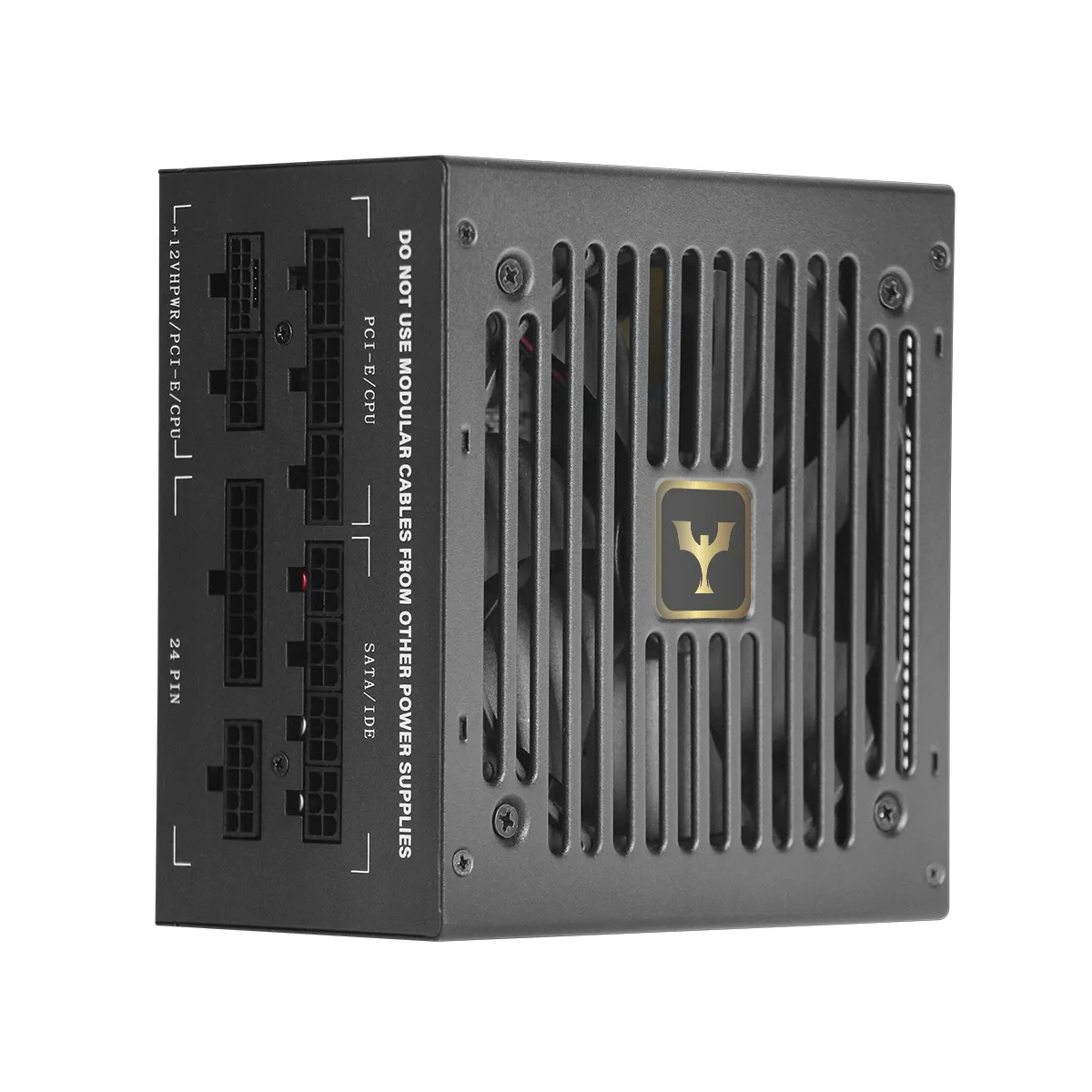
600 Vt Güc Təchizatı Tələb Edən Yüksək Performanslı Stolüstü Komputerlər və İş Stansiyaları
Orta və yuxarı səviyyəli GPU-lar və çoxnüvəli CPU-larla təchiz olunmuş oyun PC-ləri
600 Vt güc mənbəyi, orta və ya yüksək səviyyəli tək GPU və orta səviyyəli çoxnüvəli prosessor əsasında yığılmış oyun kompüterləri üçün yaxşı uyğundur. Məsələn, RTX 4060 (115 Vt TDP) və Intel Core i5 və ya AMD Ryzen 5 kimi 65 Vt-lik prosessorla birlikdə tipik periferiya cihazları, saxlama qurğuları və soyutma sistemləri ilə birlikdə uzunmüddətli oyun yükü altında maksimum istehlak təxminən 350–400 Vt arasında olur. Bu, güc mənbəyinə təxminən %40 rezerv qoyur və onu ən səmərəli iş yükü aralığı — %50–%80 daxilində saxlayır ki, bu da istilik, səs-küy və aşınmanı minimuma endirsin. Hətta RTX 3070 (220 Vt TDP) kimi köhnəlmiş yüksək səviyyəli videokartlar belə oxşar konfiqurasiyalarda 500 Vt-ın altına rahatlıqla yerləşir. Qısacası, 600 Vt-lik güc mənbəyi performans yönümlü, lakin büdcəyə həssas oyunçular üçün etibarlılıq və səmərəliliyi təmin edən, lakin artıq gücləndirməyə ehtiyacı olmayan balanslı seçimdir.
CAD, renderinq və simulyasiya üçün peşəkar stansiyalar
CAD modelleməsi, renderinqi və mühəndislik simulyasiyası üçün istifadə olunan giriş səviyyəli peşəkar iş stansiyaları da 600 Vt güc mənbəyi ilə yaxşı uyğunlaşır. Bu sistemlər adətən yüksək nüvə saylı prosessoru (məsələn, Intel Core i7 və ya AMD Ryzen 7, 105–125 Vt TDP) NVIDIA RTX A2000 (70 Vt) və ya AMD Radeon Pro W6600 (100 Vt) kimi orta səviyyəli peşəkar qrafik prosessorla birləşdirir. Həqiqi vaxt rejimində şüa izləmə və ya sonlu elementlər analizi kimi davamlı hesablama yükü altında tam sistem adətən 300–400 Vt enerji çəkir. Qalan 200 Vt rezervi uzun müddətli iş zamanı sabit və təmiz enerji təchizatını təmin edir və bu da saatlarla davam edən işin itirilməsinə səbəb ola biləcək qeyri-sabitlik və ya gözlənilməz söndürmə ehtimalını azaldır. Bununla belə, iki qrafik prosessorlu konfiqurasiyalar və ya AMD Threadripper kimi yüksək TDP-li platformalar daha güclü enerji həlləri (850 Vt və yuxarı) tələb edir; lakin 600 Vt güc mənbəyi tək qrafik prosessorlu mühəndislik və dizayn iş stansiyaları üçün praktik və qiymətcə sərfəli bir əsas qalır.
600 Vt Güc Mənbəyi İstifadə Edən Serverlər və Korporativ Sistemlər
Tək və ya ehtiyat 600 Vt Güc Mənbəyi Konfiqurasiyaları ilə Rəf-Montajlı Serverlər
Rack-mount serverlər tez-tez giriş səviyyəli və ya enerji səmərəliliyi yüksək konfiqurasiyalarda 600 Vt güc mənbələrindən (PSU) istifadə edirlər. Tək birimli konfiqurasiyalar aşağı iş vaxtı tələb edən və ya laboratoriya mühitlərində istifadə olunur, halbuki 1+1 redundanslı qurğular kiçik biznes infrastrukturuna və kənar hesablama düyünlərinə (edge computing nodes) lazım olan qeyri-müəyyənlikdən qorunma (failover protection) imkanı yaradır. 600 Vt güc mənbəsi, virtualizasiya hostları və ya fayl serverlərində geniş yayılmış olan tək soketli ana plokları, bir neçə DDR4 DIMM modulunu və bir neçə SATA sürücüsünü etibarlı şəkildə qidalayır. Bulud provayderləri və kolokasiya mərkəzləri tez-tez səmərəlilik, istilik idarəetməsi və dəyər arasında balans yaratmaq üçün 80 PLUS Gold sertifikatlı 600 Vt güc mənbələrini tələb edirlər. Bununla belə, miqyaslaşdırma imkanı məhdudlaşır: GPU-lar, NVMe massivləri və ya yüksək TDP-li prosessorların əlavə edilməsi bu güc səviyyəsini tezliklə aşır. Beləliklə, 600 Vt güc mənbələri məhdud və proqnozlaşdırıla bilən iş yükü tələblərinə cavab verən sistemlərdə — və ya daha böyük server infrastrukturlarında ikincil və ya ehtiyat birimlər kimi — üstün performans göstərir.
600 Vt Güc Mənbəli Xüsusi Kənar və Şəbəkə Qurğuları
İncəsənət İntellekti (AI) Kənar İnferens Platformaları (məs., NVIDIA Jetson AGX Orin İnkişaf Dəstləri)
NVIDIA Jetson AGX Orin inkişaf dəstəyi kimi süni intellekt (AI) kənar çıxarım platformaları, real vaxt rejimində dərin öyrənmə iş yükünü davam etdirmək üçün kompakt, lakin möhkəm enerji təchizatını tələb edir. 600 Vt güc mənbəyi çoxnüvəli Arm və ya x86 prosessorlar, inteqrasiya olunmuş AI sürətləndiricilər və isteğe bağlı əlavə GPU-lar üçün kifayət qədər güclü güc təmin edir — eyni zamanda sürətli yüklənmə keçidləri zamanı (məsələn, boş iş rejimindən tam çıxarım rejiminə keçid zamanı) gərginlik sabitliyini saxlayır. Mühəndislər bu cihazları seçərkən, qapalı, fanatla məhdudlaşdırılmış korpusların daxilində istilik yığılmasını azaltmaq üçün adətən Platin və ya Titan səviyyəli səmərəlilik reytinqlərini üstünlük verirlər. Missiya tənqidli tətbiqlər üçün 600 Vt güc mənbəyinin redundans variantları mövcuddur; bu da sənaye vizual yoxlama, proqnozlaşdırıcı texniki xidmət analitikası və ya avtonom naviqasiya sistemləri kimi tətbiqlərdə davamlı işləməni təmin edir.
Yüksək buraxılımlı şəbəkə təhlükəsizliyi cihazları (məsələn, Palo Alto PA-5200 Seriyası)
Palo Alto PA-5200 seriyası kimi yüksək ötürücülü şəbəkə təhlükəsizlik cihazları çoxgiqabitlik interfeyslərdə naqil sürətinin yoxlanılmasını təmin etmək üçün ardıcıl, yüksək səmərəlilik tələb edir. 600 Vt gücündə enerji təchizatı bloku, yüksək tezlikli CPU-ların, xüsusi təhlükəsizlik emal bölmələrinin və 40GbE və ya 100GbE portları üçün genişləndirmə modullarının kombinasiyasını dəstəkləyir. Firewall, müdaxilənin qarşısının alınması sistemləri və şifrələnmiş VPN şlüzləri davamlı ağır yüklər tətbiq etdiyindən, enerji təchizatı bloku tam çıxışda 90%-dən çox səmərəlilik təmin etməlidir. Bir çox müəssisə səviyyəli modellər ya tək 600 Vt gücündə blok, ya da 1+1 ehtiyat konfiqurasiyası ilə təchiz olunur - bu da bir modul sıradan çıxsa belə, fasiləsiz trafik filtrasiyasını təmin edir. Bu dizayn məlumat mərkəzlərində, filial ofislərində və hibrid bulud perimetrlərində tələb olunan ciddi işləmə müddəti SLA-larına cavab verir.
Bu gün 600 Vt güc təchizatının praktikliyinin qiymətləndirilməsi
600 Vt güc mənbəyi bir çox müasir kompüter konfiqurasiyaları üçün praktik seçim qalır — lakin onun uyğunluğu donanım seçimi və gələcək planlara bağlıdır. Hazırkı orta səviyyəli oyun və iş stansiyası sistemləri — RTX 4060, RX 7700 XT və ya RTX A2000 kimi tək GPU və ümumi istifadə üçün nəzərdə tutulmuş mərkəzi prosessorlarla — tam yüklənmə zamanı adətən 400–500 Vt enerji istehlak edirlər. Bu, mülayim overclockinq, əlavə periferiya qurğularının qoşulması və ya postepen yeniləmələr üçün 100–200 Vt rezerv gücü yaradır. Bununla belə, vəziyyət dəyişir: ATX 3.0-un yeni 12VHPWR konektoru yalnız bir GPU-ya 600 Vt-a qədər enerji verə bilən tək-GPU dizaynlarını mümkün edir; bu da növbəti nəsil komponentlərin bu səddi artıq çox daha tez-tez aşacağını göstərir. Uzunömürlülüyə, çoxlu GPU-lu iş stansiyalarına və ya intensiv hesablama tapşırıqlarına üstünlük verən istifadəçilər üçün 750 Vt və ya daha yüksək güclü PSU seçimi daha böyük rezerv gücü təmin edir və tezliklə yenilənmə zərurətini aradan qaldırır. Nəticə olaraq, 600 Vt güc mənbəyi bu günün orta səviyyəli sistemləri üçün hələ də ağıllı və səmərəli seçimdir — lakin bu, universal uzunmüddətli həll deyil.
Tez-tez verilən suallar
600 Vt güc təchizatı hansı növ sistemləri idarə edə bilər? 600 Vt güc təchizatı orta səviyyəli oyun kompüterləri, giriş səviyyəsi peşəkar iş stansiyaları və kiçik miqyaslı serverlər və ya kənar cihazlar üçün yaxşı uyğundur.
600 Vt güc təchizatı müasir qrafik prosessorları (GPU) dəstəkləyə bilərmi? Bəli, o, RTX 4060 və ya RTX A2000 kimi qrafik prosessorları idarə edə bilər, lakin yüksək səviyyəli GPU-lar və ya çoxlu GPU konfiqurasiyaları daha çox güc tələb edir.
600 Vt güc təchizatı üçün hansı səmərəlilik reytinqi tövsiyə olunur? Optimal performans və azalmış istilik üçün ən azı 80 PLUS Gold sertifikatına malik modelləri seçin və ya kənar cihazlar üçün Platinum və ya Titanium sertifikatlı variantları nəzərdən keçirin.
600 Vt güc təchizatı gələcəyə uyğunluq üçün kifayət qədərdirmi? Hazırkı orta səviyyəli konfiqurasiyalar üçün uyğun olsa da, gələcəkdəki yüksək güclü komponentlərin tələblərini ödəyə bilməyə bilər. Uzunmüddətli istifadə üçün daha yüksək vatlı modelə keçid məsləhət görülür.